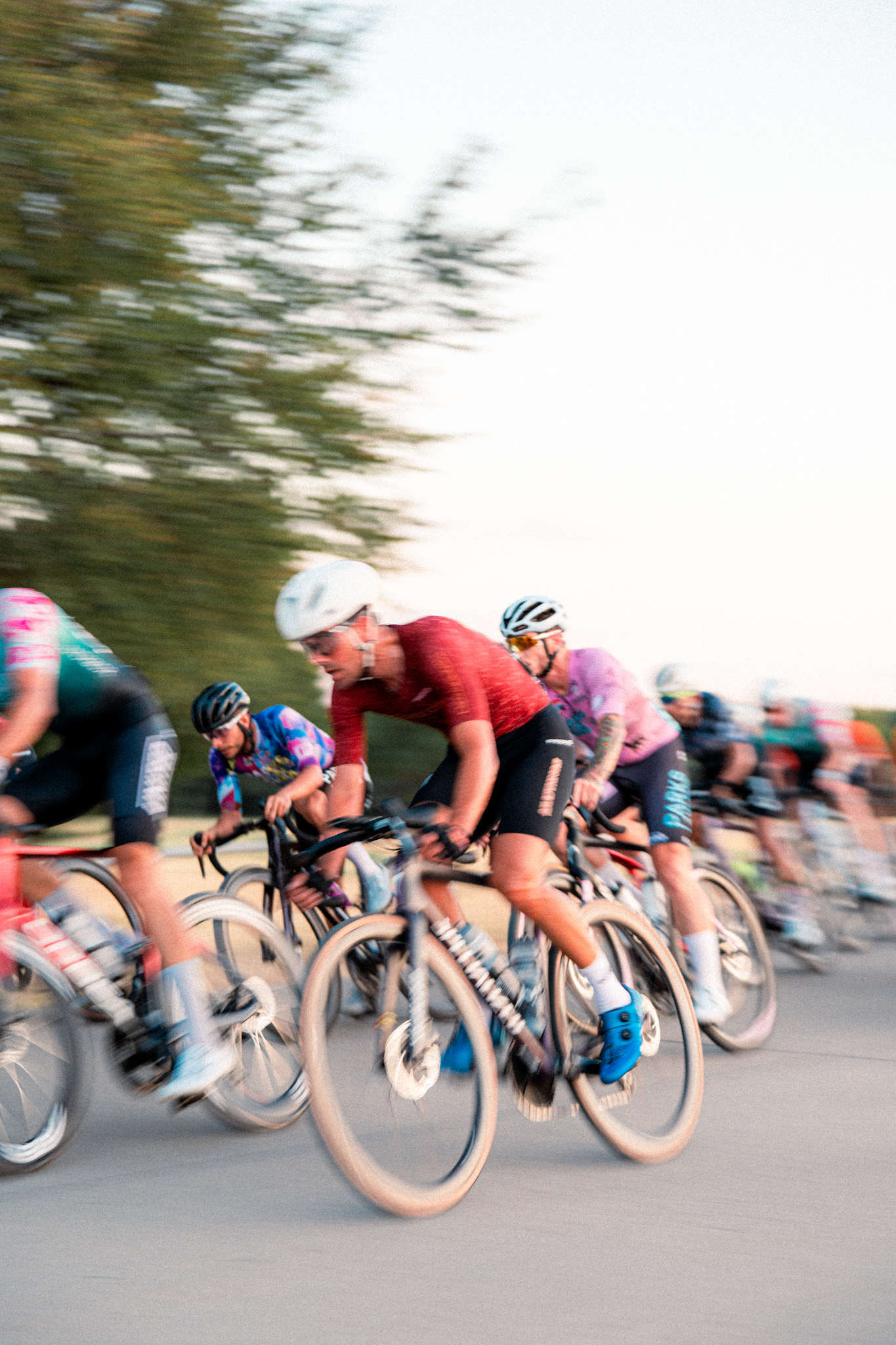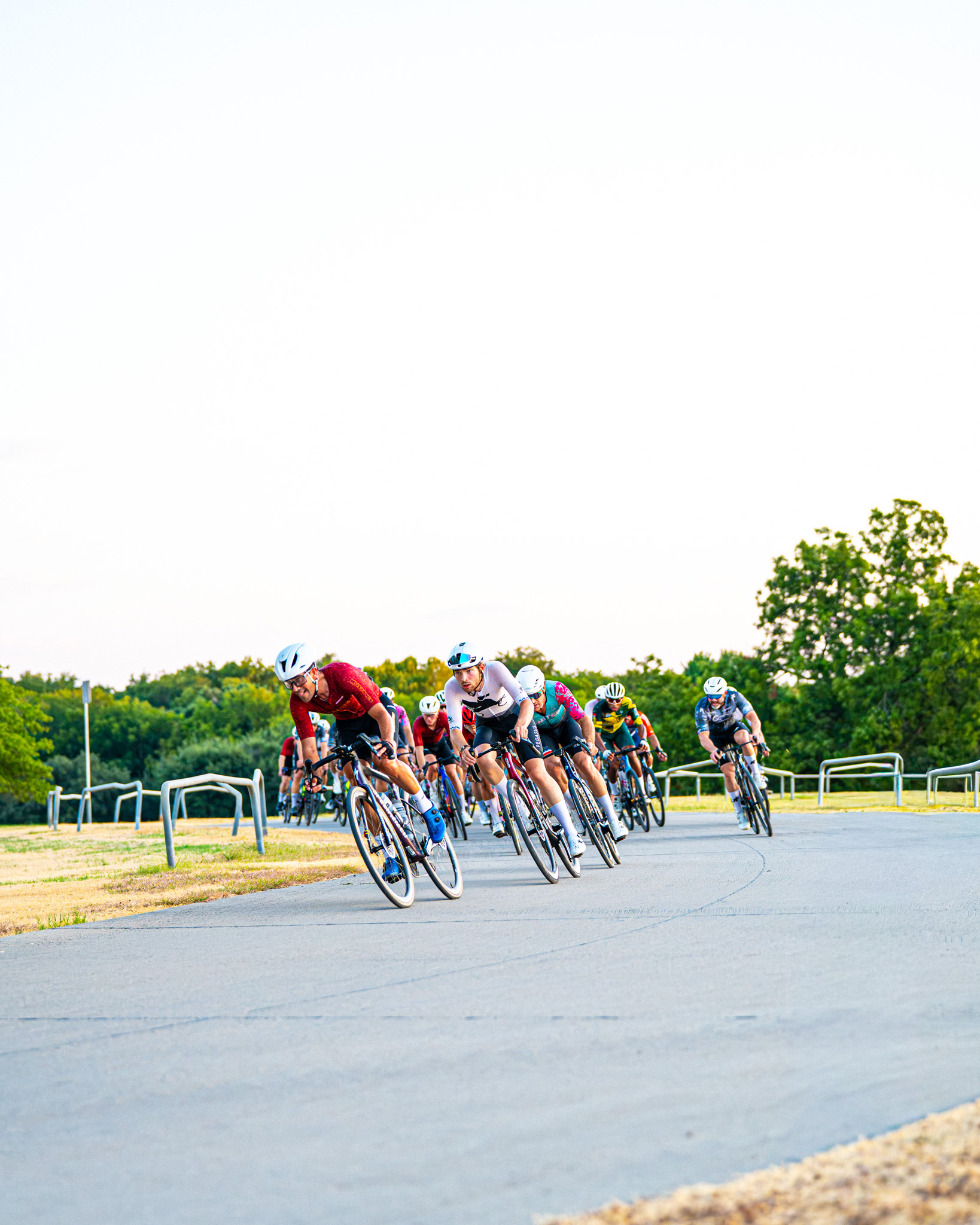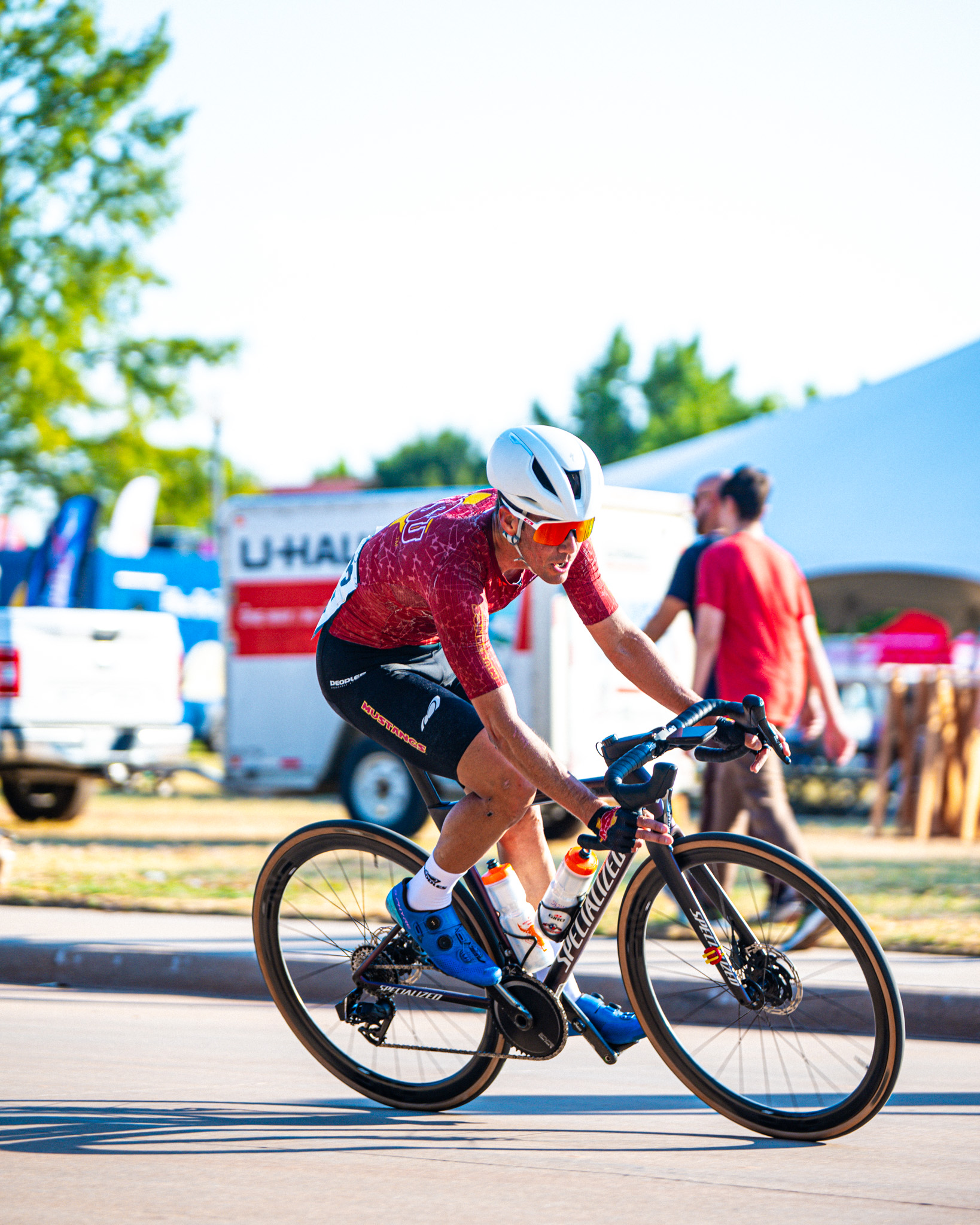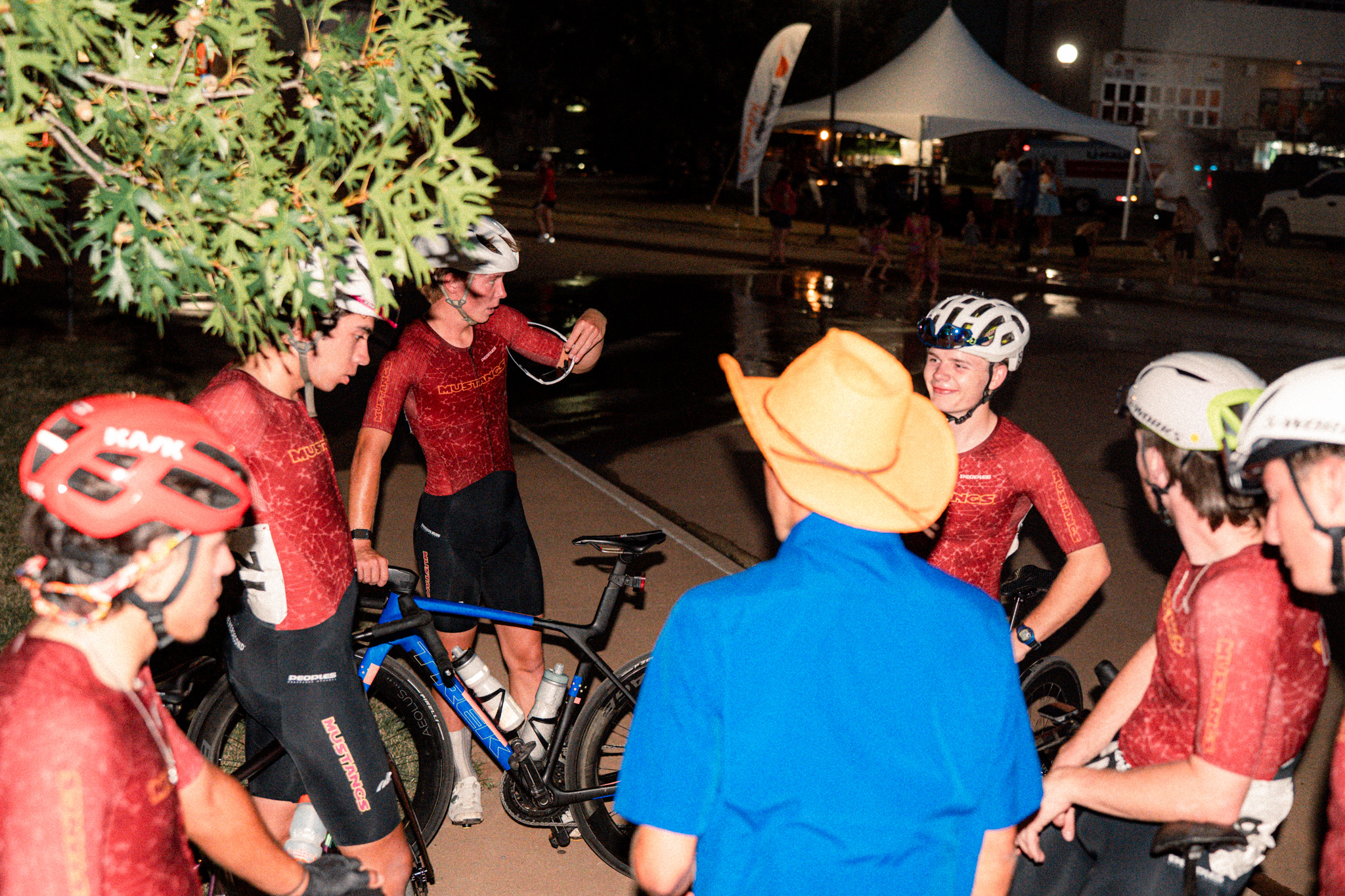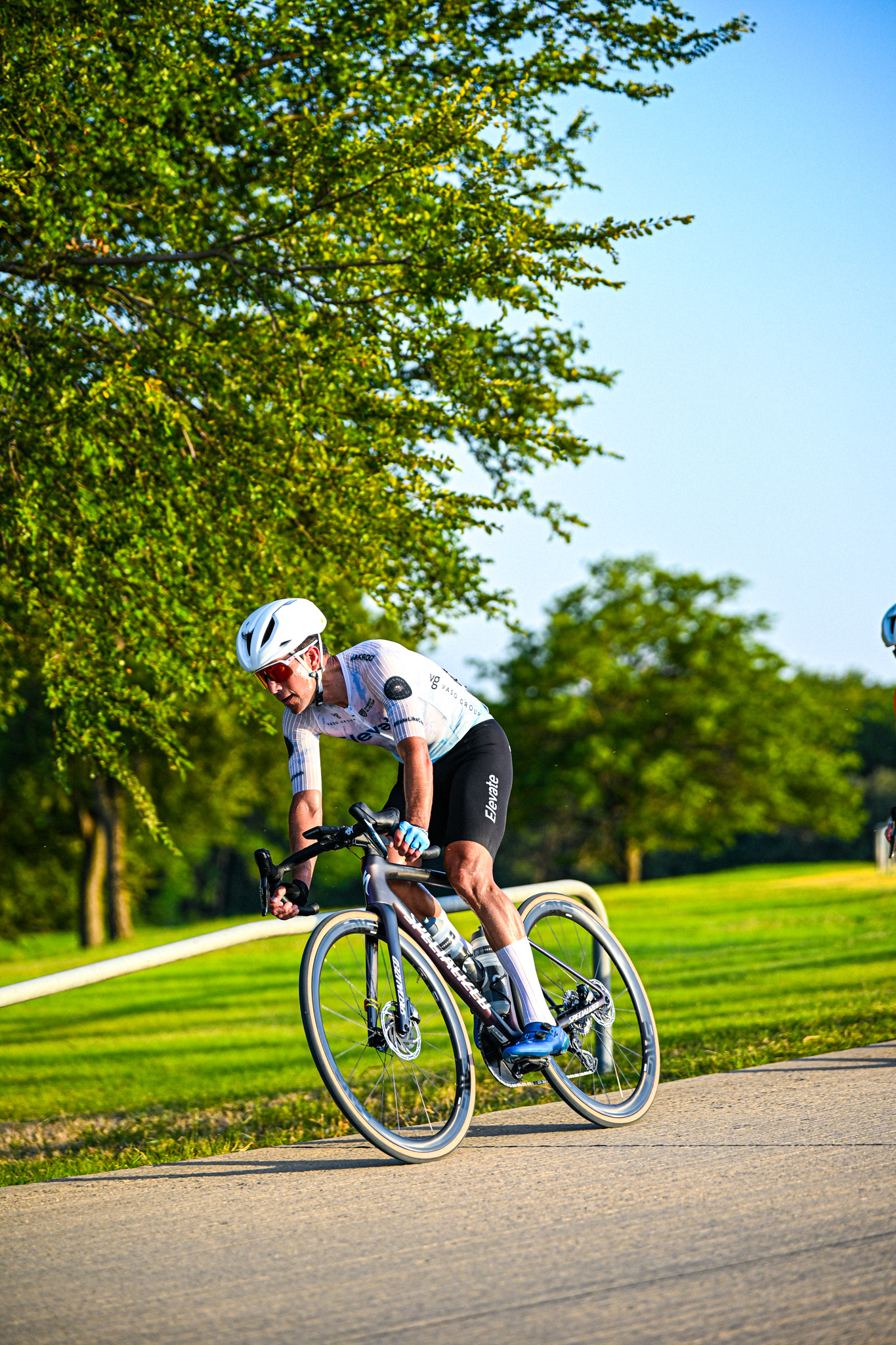

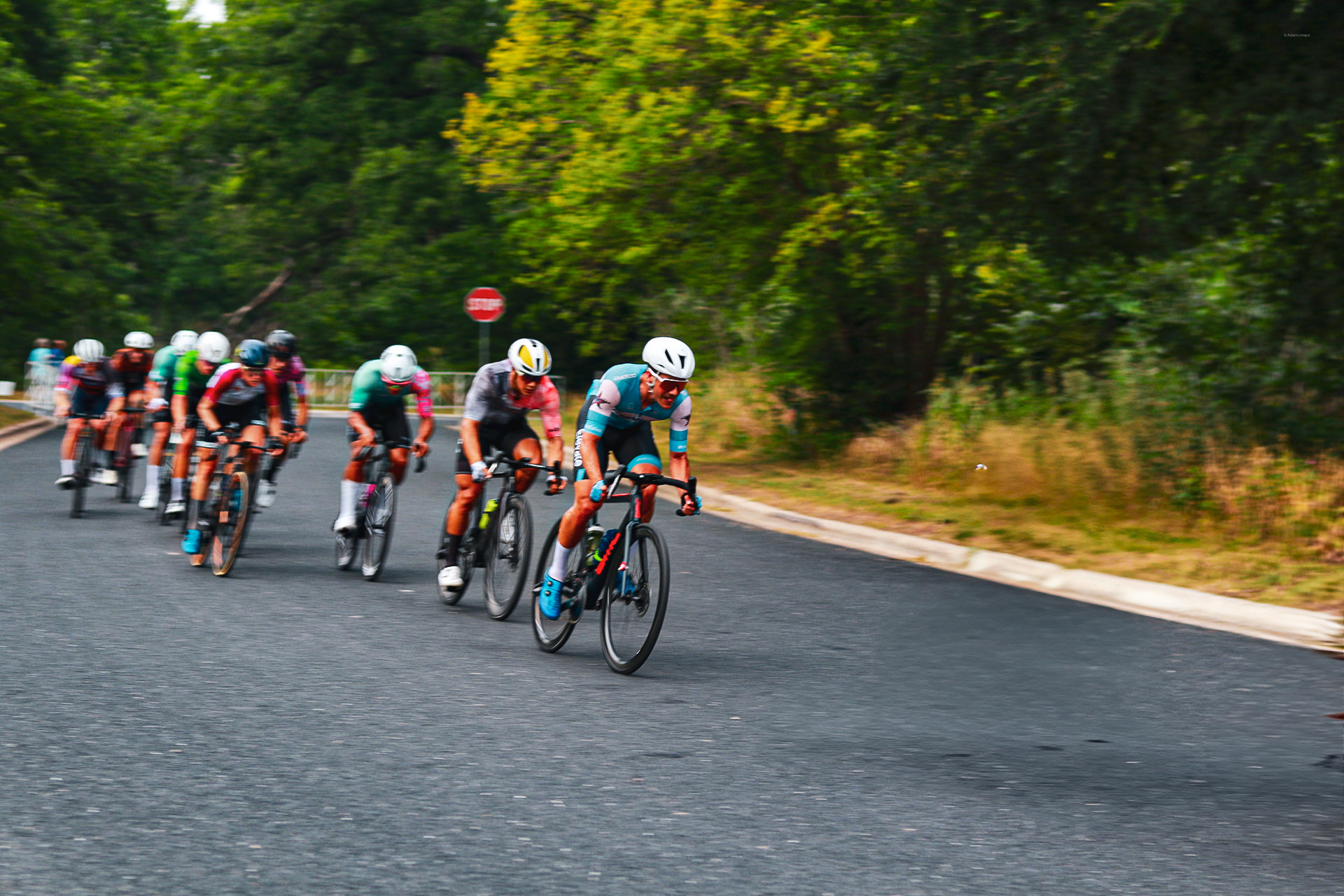
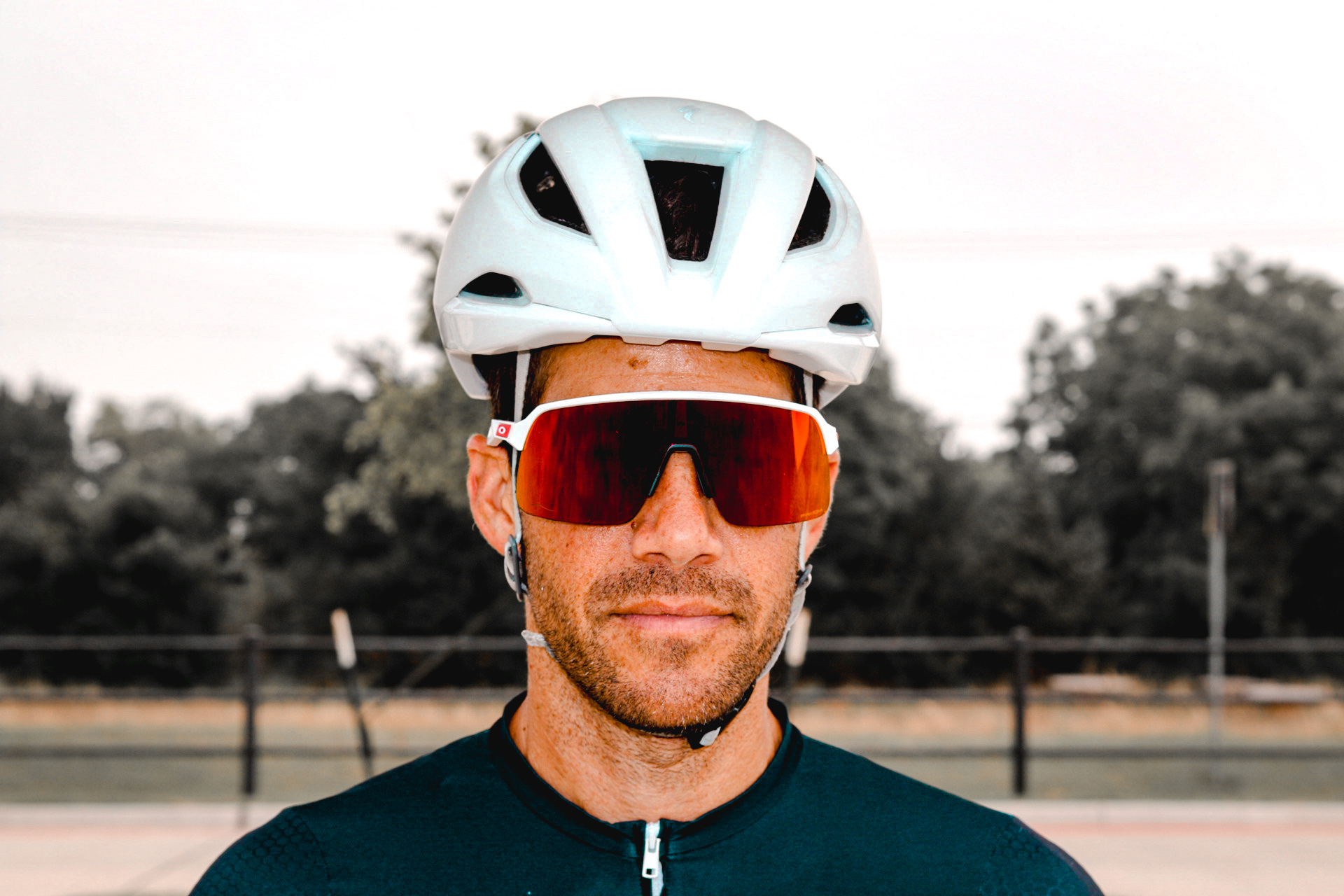
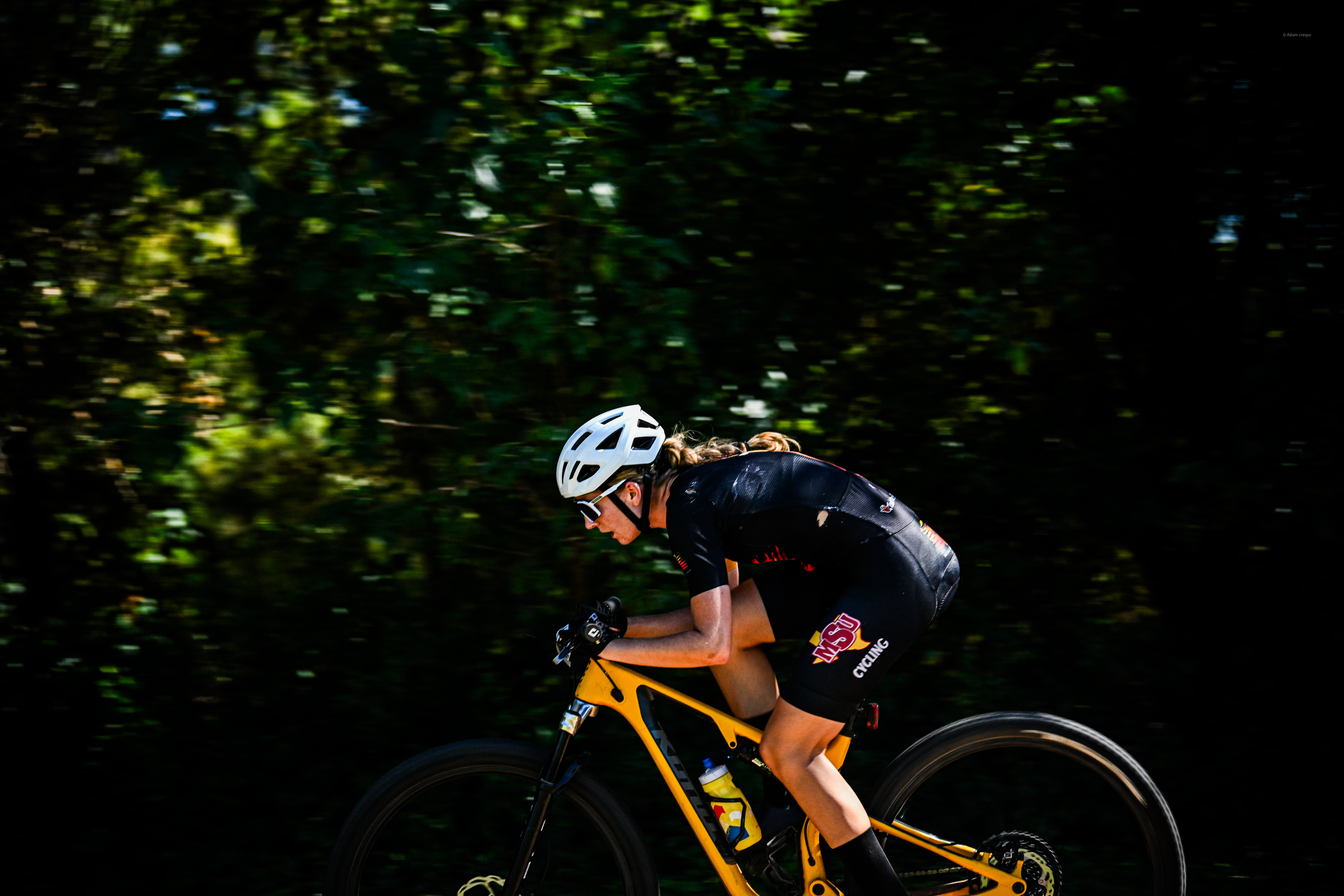

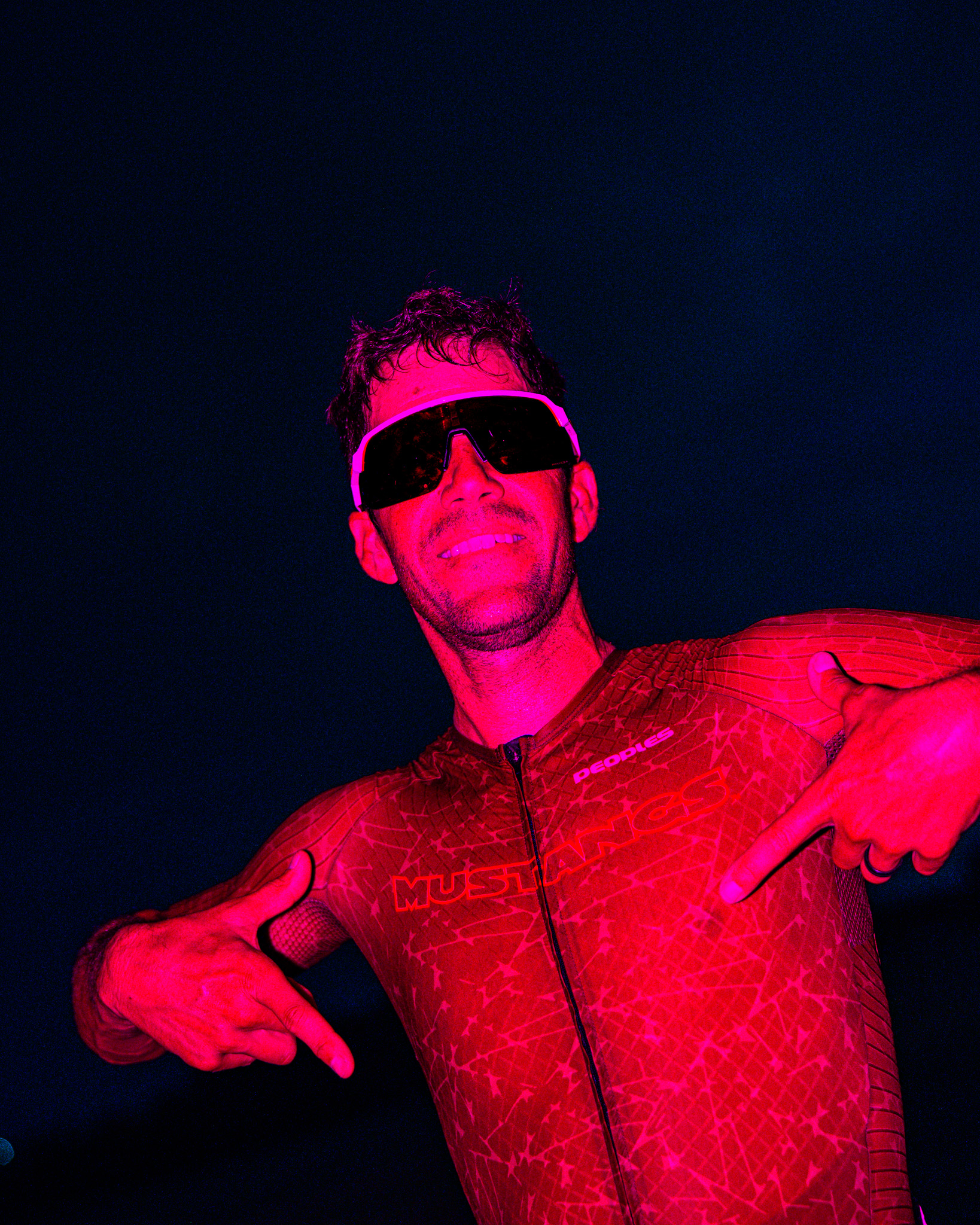
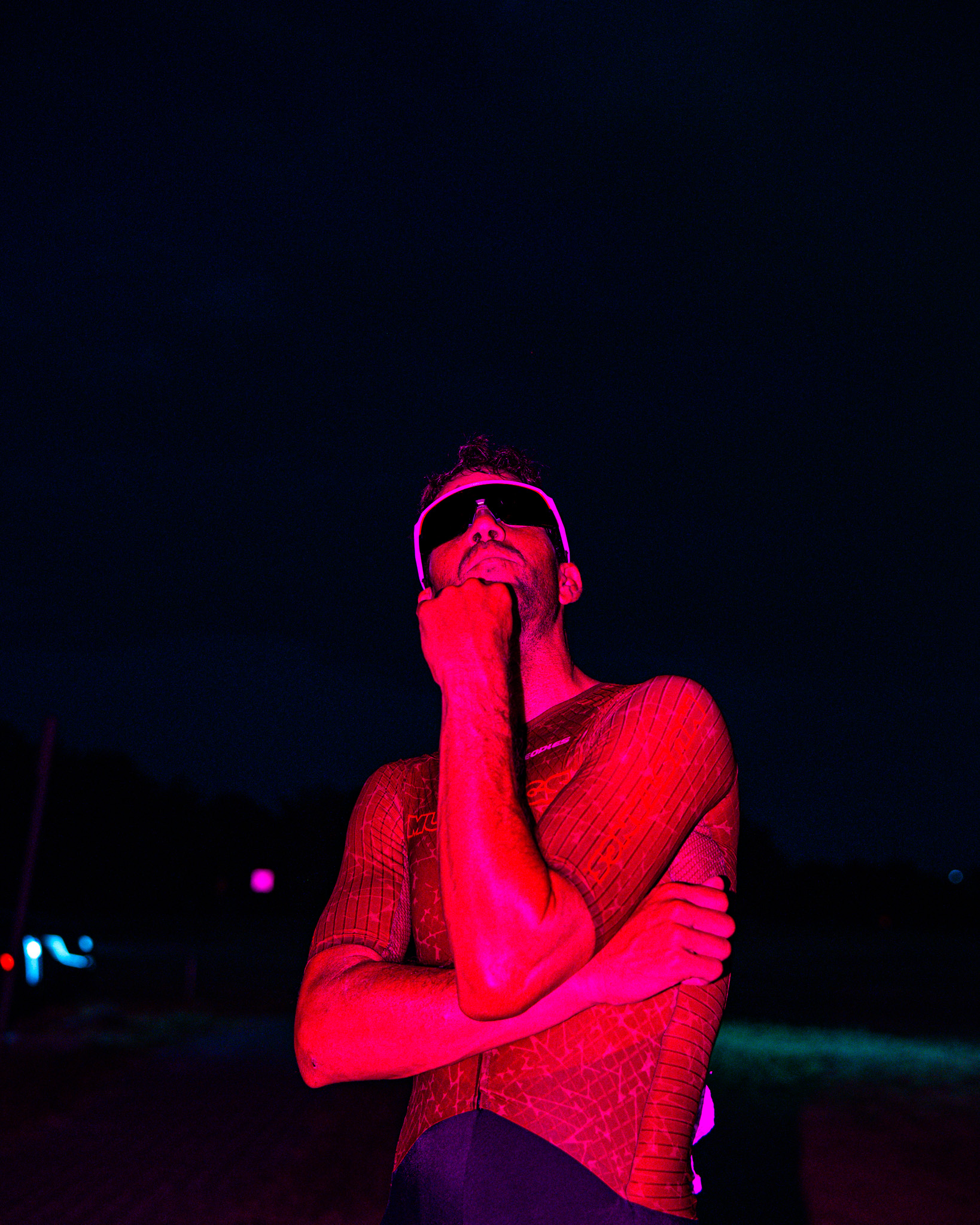
Every Tuesday night, there's a local crit that runs in Richardson, just outside of Plano. It's the kind of race that doesn't make headlines, but for the guys who show up week after week, it becomes part of the rhythm of the season. This past week was the final Tuesday night crit of the year, and it turned into one of those nights that reminded me why I love this sport — not because of anything dramatic, but because of how much you learn about yourself and your athletes in the smallest windows of time.
My athletes here at the university wanted to go show up in their new kits, get some race reps in, and represent. I'm a big believer in that. When you bring in a large recruiting class like we did this year, the fastest way to build team cohesion isn't through meetings or spreadsheets — it's through races. You learn who attacks, who sits in, who panics, who stays calm. You learn each other's tendencies. That only happens by racing together, over and over, until it becomes instinct.
So of course, I was in. We loaded up and made the two-and-a-half-hour drive from Wichita Falls to Richardson. Long day for a short race — we didn't get back to campus until 11:30 that night — but it's worth it. It always is.
A Decision I Didn't Plan For
Here's where the night got interesting.
Normally, I have a pattern for these Tuesday crits: race the Masters field, then turn around and double up for the A race afterward. But this week, I had to pick my daughter up from school at 3:15, which pushed our departure back and meant I wasn't going to make it in time for the Masters race. I'd accepted that. I figured I'd just do the A race and spend the rest of the night coaching from the outside — watching the athletes execute the tactics we'd talked about instead of being in the middle of it myself.
Honestly, part of me was fine with that. With the heat we've been dealing with, doubling up has been brutal lately. By the time you finish the Masters race and roll into the A race, you've got nothing left to give. I'd noticed fewer and fewer guys were willing to double up this summer for exactly that reason — you spend everything in the heat during the first race, then show up empty-handed for the hardest race of the night.
We pulled in just before six, and I walked the athletes over to get their timing chips and numbers sorted since it was their first time at this venue. That's when I saw the ambulance on course. There'd been a crash in the race before ours, and the Masters field was just standing around near the start/finish line waiting for things to clear.
And that's when the idea hit me: this race is getting delayed. I might actually have time to do this.
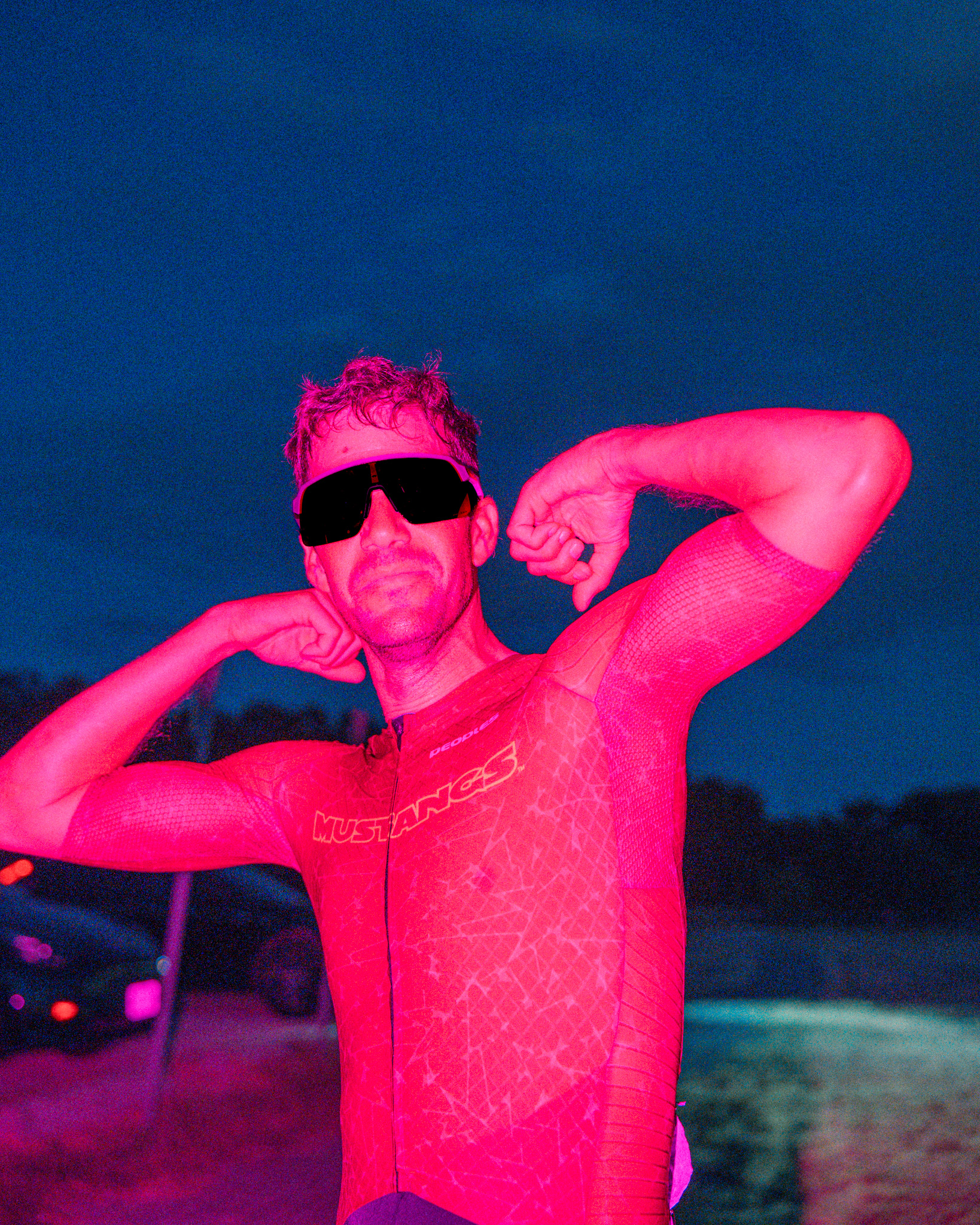
I ran back to the truck, kitted up, grabbed my bottles, threw my bike down, and rolled to the line with a couple of minutes to spare. No warm-up. No plan. Just — race.
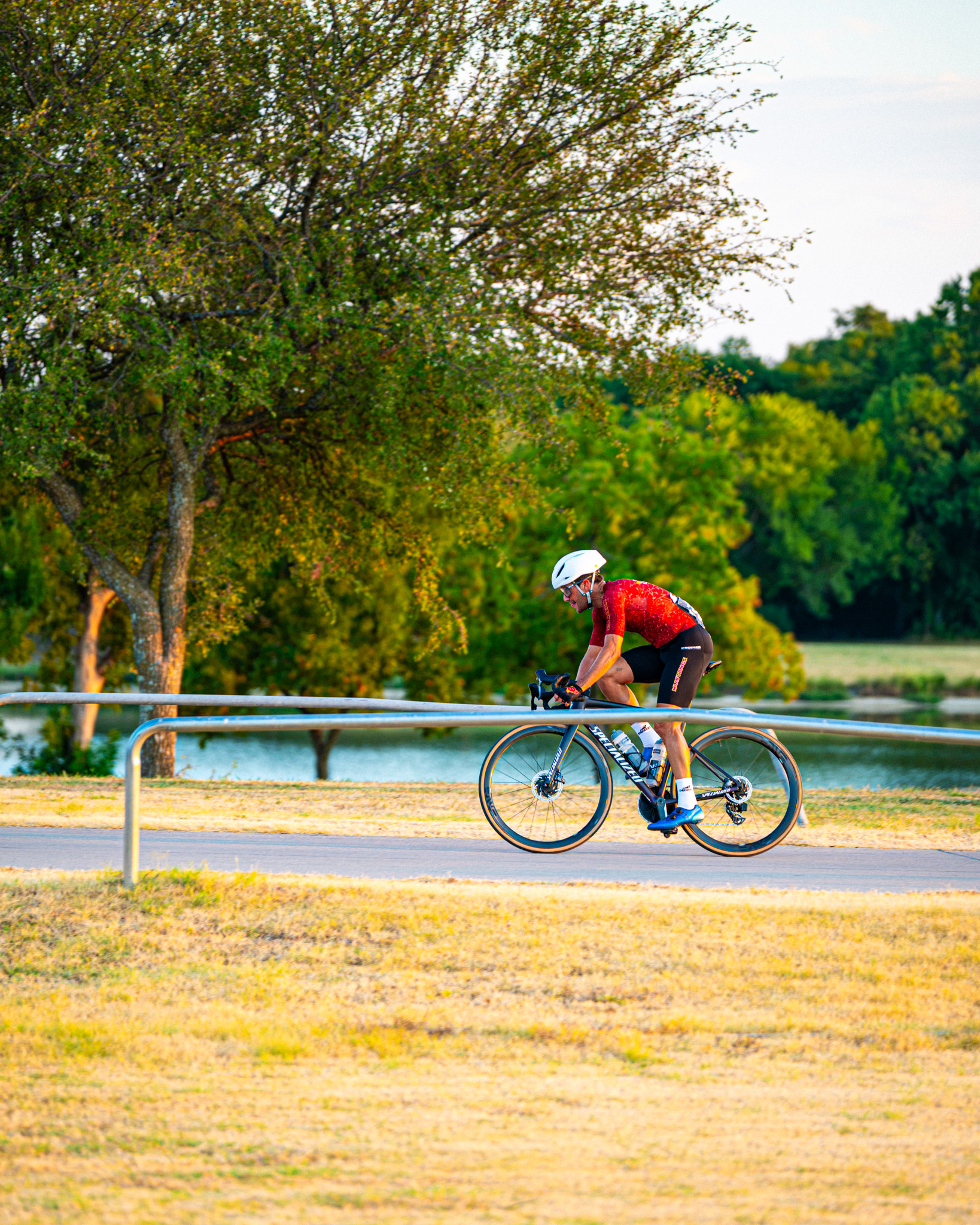
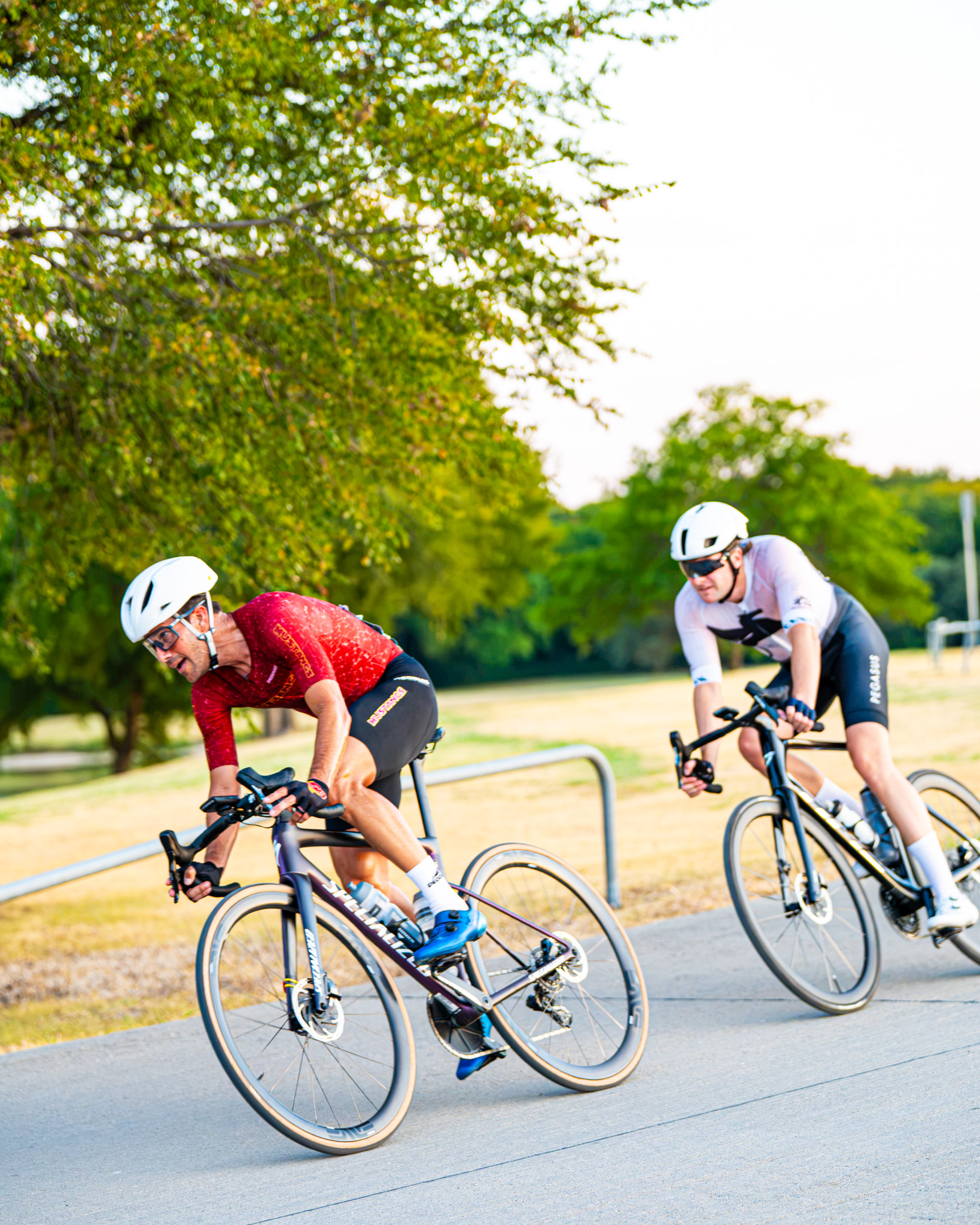
Racing With Half a Brain
I want to be honest about how that Masters race actually went, because there's a lesson in it that I think is worth more than the result.
Early on, I did what I intended to do — sit in, surf wheels, stay out of trouble, keep my legs fresh for the A race later that night. No issues, even without a warm-up. But once the racing actually started, I found myself pulled in two directions at once. Part of me wanted to engage — read the race, respond to moves, do what a racer instinctively does. And part of me kept whispering, save it, you've got the A race tonight.
So I did neither one fully. I'd engage for a moment, then back off. Engage, then back off. A move would go up the road and I'd think, I should bridge that, or help chase it down, or start something myself — and then just as quickly, I'd talk myself out of it.
If I'm being honest with you, that's not a race strategy. That's indecision wearing a race strategy's clothes.
I actually asked a friend of mine afterward — he'd made the same choice to double up — why he wasn't near the front late in the race. He told me flat out: "I was saving it for the A race." And I remember thinking, I probably should have just committed to that, too.
Here's the thing about racing half-committed: it doesn't actually protect your legs, and it doesn't let you race well either. You end up spending nervous energy going back and forth in your head, and you still end up putting in efforts — just disorganized ones, without a clear purpose behind them. When a breakaway got up the road and I decided I needed to help bring it back, I got on the front and we started closing the gap fast. It turned into a genuinely exciting race, and we did pull the break back before it turned into a bunch sprint I wasn't part of.
Was it costly? I don't have a heart rate number to give you — I left my monitor at home — but I know myself well enough to say I dug deeper than I probably should have for a "just cruise around" plan. It wasn't catastrophic. But it wasn't free, either.
The coaching takeaway here is simple: commit to your role before the race starts, not during it. Whether that's "I'm racing to win today" or "I'm here purely to support and save something for later," decide before you clip in. The in-between — half racing, half saving — costs you the benefits of both.
The A Race: Using What We Had
After the Masters race wrapped, I rounded up the guys, and we had a quick pre-race conversation before the A race. We had the numbers that night — more riders in the field than any other team — and the plan was straightforward: use that depth. Keep firing riders off the front. Make the other teams chase with fewer numbers than we had. Keep them off balance all night.
And that's exactly what we did. The guys were active all race, initiating moves, covering moves that other teams started, staying present at the front instead of waiting around. It made for a genuinely fast night — average speed around 29 mph, with a couple of our riders picking up KOMs on individual laps and on the longer five-lap segment of the course.
Here's something worth understanding if you're newer to racing: high average speeds actually make it harder for breakaways to stick. It wasn't brutally hot that night, but it wasn't cool either, and once you're rolling at 29 mph as a field average, a break needs to be doing something like 31+ mph just to open a meaningful gap. In heat like that, with legs already worked from a fast field, that's a tall order. We still committed fully to trying — sending riders up the road, working to get into moves, refusing to let the plan go passive — but the pace of the night made it tough for anything to stay away.
With about five laps to go, there was a crash that took a couple of our guys out of position. Would it have changed the final result? Hard to say. But it cost us the chance to do something we hadn't done yet as a team — organize an actual lead-out. One of the other teams started setting theirs up as the sprint approached, and with our guys caught behind the crash, we simply didn't have the pieces left on the board to answer with our own.
Still, one of our riders came around for second on the night — a strong finish, beaten only by someone who had the better sprint in that moment. I'll take that.
What I'm Taking Away From This One
Nights like this aren't really about the result. They're about watching a group of guys — many of them brand new to each other and to college racing — figure out how to work as a unit under real pressure, in real time. That's not something you can simulate in training. You have to go race it.
And for me personally, the Masters race was a reminder that half-decisions in racing are their own kind of mistake. Not committing fully to a role — whether that's racing for the result or protecting your legs for something later — doesn't actually give you the best of both. It just gives you the costs of both. If I do this again, I'll make the call before I roll to the line, not somewhere in the middle of the race.
That's a wrap on our Tuesday night crit series for the year. Mountain bike season is up next, and we've got some athletes with strong off-road backgrounds who I'm genuinely excited to watch race in a different discipline. More on that soon.
Thanks for reading — and if you want more of these breakdowns from the races I'm in and the ones I'm coaching, get on the Utmost Performance newsletter https://utmost-performance-newsletter.beehiiv.com. I write these because I think the lessons in a Tuesday night crit are just as real as the ones in a national championship. If you're looking for more structure, accountability, or a coach who's still out there racing alongside you, reach out — I'd love to talk.
— Mayito