


Is Your Recovery Ride Getting Slower? Your Bank Account Might Be the Reason
How do we actually see that an athlete is getting fitter?
It's one of the most common questions I get as a coach, and the answer most athletes reach for is a number. A higher threshold. A bigger VO2 max. For a lot of the riders I work with, though, the number they care about most is much simpler: average speed on their usual loop.
It makes sense. You ride the same routes week after week, you pull up Strava, and you want to see that the same ride is getting faster. I get it. But I want to give you a different way to think about progress, because average speed on its own can tell you a lot less than you'd expect.
The bank account metaphor
Every athlete has a bank account. It holds a certain amount of funds that you can draw from when you train, and some riders have bigger accounts than others.
Picture two riders heading out on the same ride. Rider A has a $100,000 account. Rider B has a $75,000 account. In a perfect world, where we control every variable, they ride the identical route, start and finish together, and hold the same average speed.
The numbers on Strava would look the same. But what happens afterward would not.
The rider with the larger account comes back less fatigued. It shows up in small, real-life ways:
- They get up the stairs without sore legs.
- They don't need a nap.
- Their glycogen stores aren't as depleted, so they aren't raiding the pantry.
Same ride, same speed, different cost. The question isn't only can you ride that fast. It's what can you afford, and how much are you pulling from the account to do it?
Where this really shows up: the recovery ride
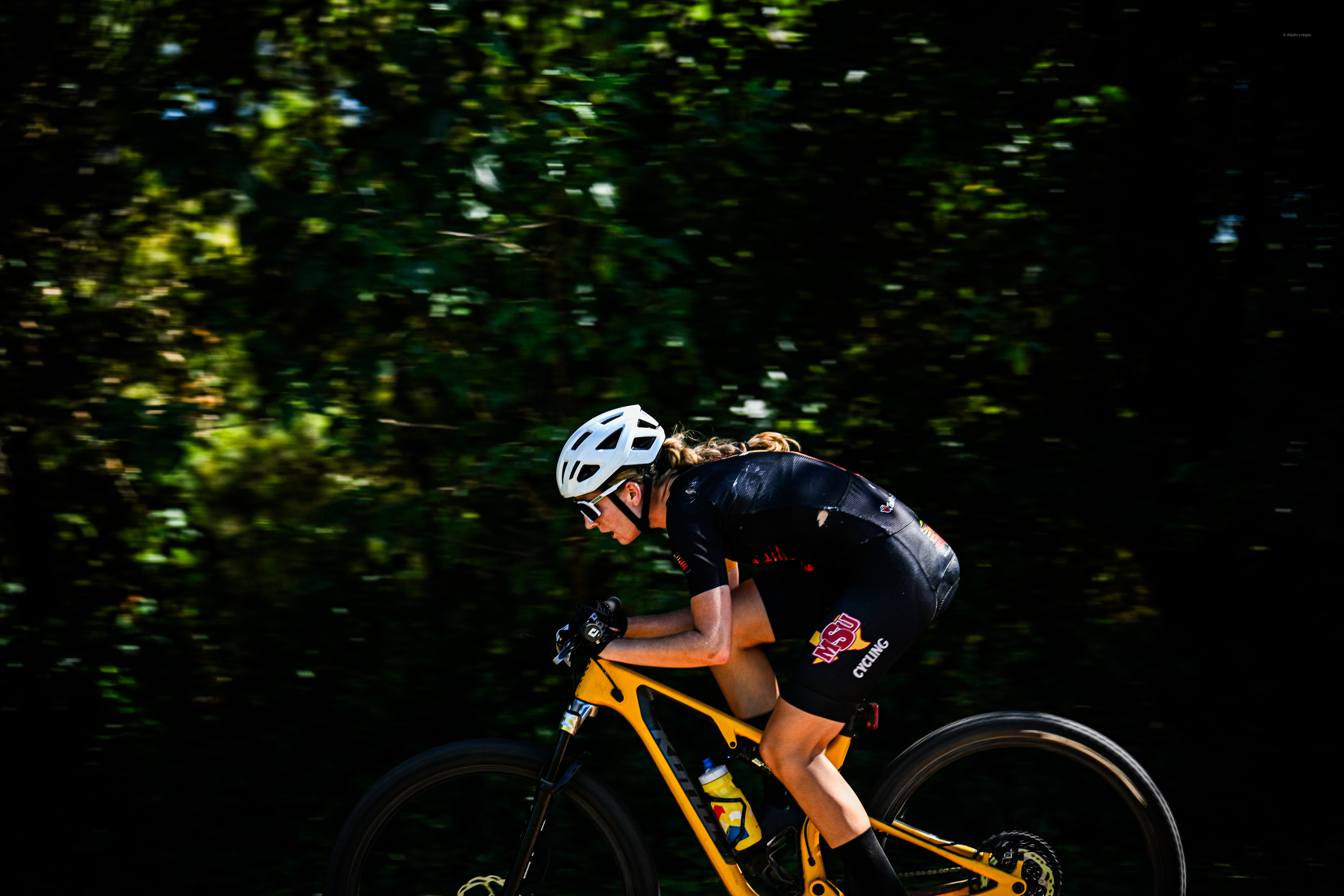
This is where I see the idea play out most often. Between work schedules, kids, activities, and the structured workouts and intensity in the plan, I prescribe recovery rides frequently, usually one or two a week.
Those rides are meant to be slow. Really slow.
For some athletes, this is the hardest part of starting with a new coach. Let's say your usual recovery loop used to be an hour at 17 mph. Now, on a Monday afternoon, you're staying inside the heart rate or power limits I gave you, and you're down to 15 mph.
Two miles an hour slower. It starts to wear on you. I don't think I'm getting better. I'm losing speed.
A good coach looks at that and sees something different. You have a $75,000 account, and you've been riding your recovery rides as if you had $100,000. You've been overdrawing. That money has been withdrawn, and at some point you run low on funds you thought you had.
Making deposits
Training, coaching, and athlete development all come down to making deposits over time. You put in the work. You do the workouts. And a big part of that, one people tend to skip, is doing the recovery rides as written, even though they're slower.
Do that consistently and the account starts to grow. $75,000 becomes $80,000. You keep chipping away, keep the recovery rides honest, and you get to $90,000.
I want to be clear that this isn't something to chase. It's a byproduct of following the process, keeping your eyes on the road, and taking each day as it comes.
What improvement actually looks like
Then one day you notice something. That recovery ride at 15.5 mph felt the same as it used to at 15 mph.
That's the important part: how did it feel? Use your RPE, your subjective sense of effort. No power meter, no heart rate monitor. If 15.5 now feels like 15 did before, that is a very tangible sign you're getting fitter and stronger. You're not overdrawing anymore, because there's more in the account.
The takeaway
There are plenty of ways to look at improvement, and this one is often overlooked: what does the work do to you?
- Can you absorb it and adapt?
- Are you overdrawing on your account?
- Is the account running low?
- Are you going through the motions just to say you did something, when deep down you know it was more than you could handle right now?
Being patient and building up to it is part of the work. Sometimes the best evidence of progress isn't a faster number. It's the same effort costing you less.
If you'd like more of this kind of coaching perspective, join the Utmost Performance newsletter, and if you're curious about working together, reach out. I'd love to hear how you track your own progress, so reply and let me know.
Until next time,
Mayito Utmost Performance