





There’s this idea in endurance sport that every important session needs to feel powerful. Focused. Sharp. Aggressive. Like if you’re not completely locked in mentally and physically, then somehow the workout doesn’t count.
But honestly, that’s not reality.
And understanding that might be one of the most important skills we can develop as athletes.
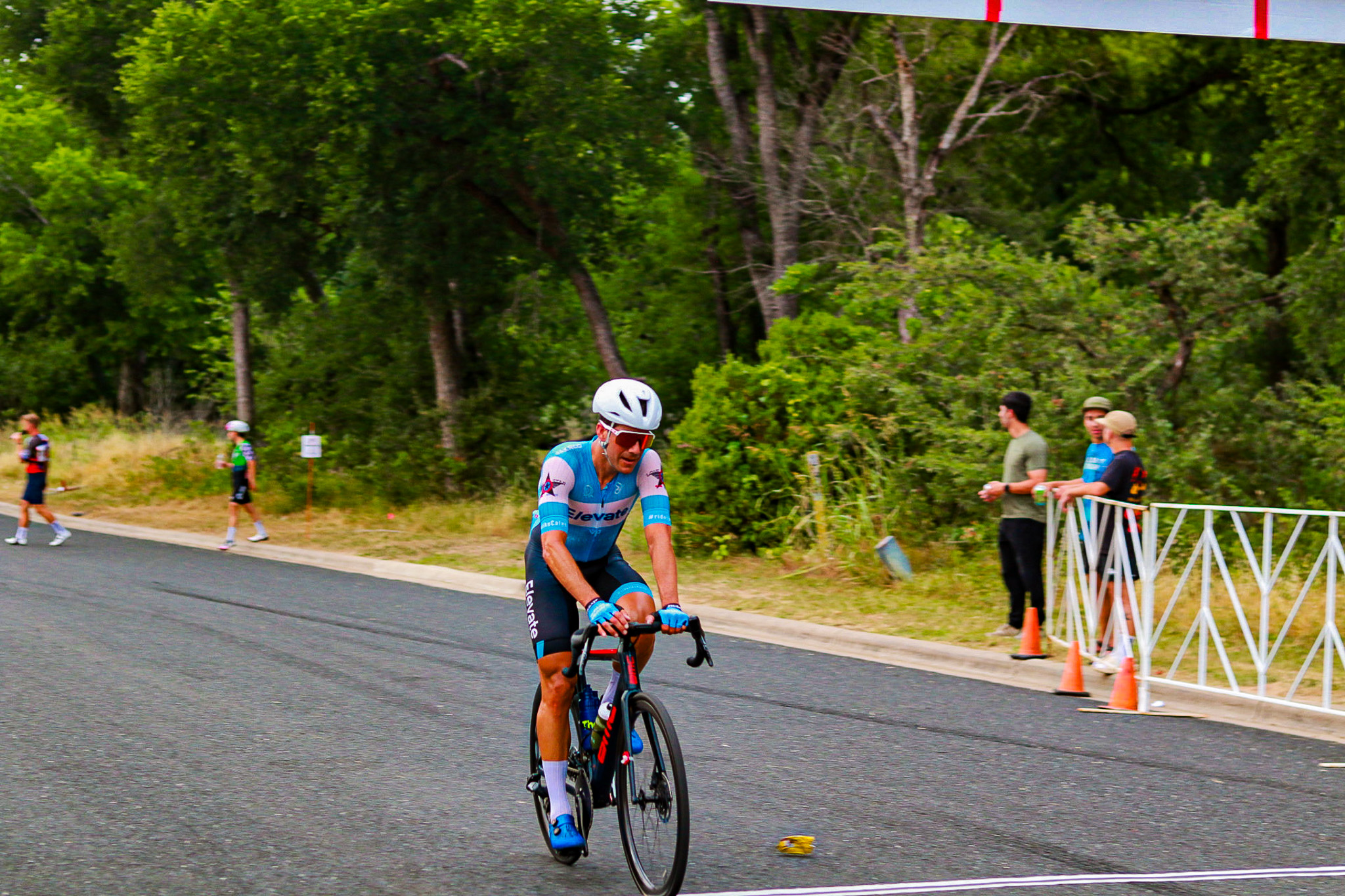
Earlier this week, I had a set of four by ten-minute sweet spot intervals on the schedule — a session I had already completed earlier in the week. Same workout. Same structure. Same goal. But the feeling between the two days could not have been more different.
On Tuesday, everything clicked.
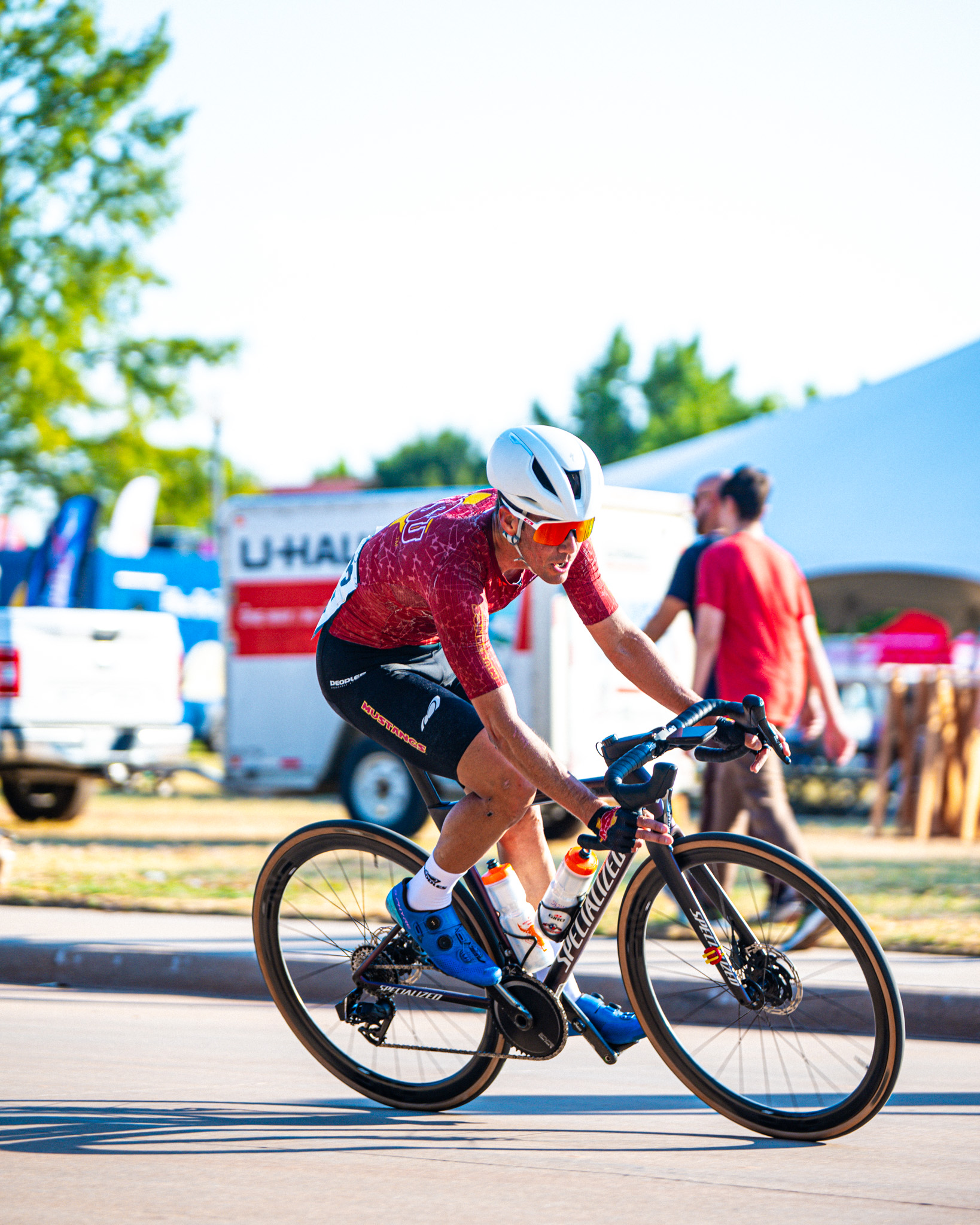
The focus was there. The execution felt sharp. I really emphasized maintaining a very aggressive aerodynamic position and focused heavily on speed and efficiency. The workout became about more than fitness — it became about position, detail, and performance execution.
But by Thursday?
Completely different story.
The weather wasn’t ideal. Mentally, I just wasn’t enthusiastic about getting the ride in. Before I even started warming up, I found myself negotiating with the workout.
“Maybe tomorrow would be better.”
“Maybe I should move it.”
“Maybe today just isn’t the day.”
If you’ve trained long enough, you know exactly what that feels like.
And the mistake we often make is believing that because a session doesn’t feel perfect emotionally, the workout automatically has to fail.
What ended up helping me wasn’t forcing intensity.
It was adjusting my approach.
Instead of putting pressure on the entire workout, I simplified the task. I told myself: just get through the five-minute opener first. No pressure. No emotional commitment to the entire session yet. Just start moving, see how it feels, and reassess afterward.
That small adjustment changed everything.
Once I started moving, the tension slowly began fading away. Then I made another adjustment. I stopped worrying about riding as aggressively aero as I had on Tuesday. I stopped thinking about average speed. I stopped trying to force the ride to feel like the earlier session.
Instead, I focused on riding comfortably, staying relaxed, and simply executing the effort itself.
And suddenly the workout became manageable.
Not because the session changed physically.
But because I changed mentally.
I think one of the biggest misconceptions in training is that consistency means feeling the same every day. But real consistency is learning how to adapt when you don’t feel the same.
Some days are sharp days.
Some days are survival days.
Some days require aggression.
Some days require patience.
The best athletes are not the ones who always feel amazing. They’re the ones who learn how to work with the version of themselves that shows up that day.
That’s coaching.
That’s experience.
And honestly, that’s art.
Training is not just numbers and science. It’s understanding emotion, stress, pressure, confidence, fatigue, weather, expectations, and mindset — all at the same time.
There are moments where pushing harder is the answer.
But there are also moments where removing pressure is the answer.
What made Thursday successful wasn’t perfection. It was the fact that I didn’t allow the session to become emotionally destructive. I was willing to adjust expectations in real time rather than force the workout into something it wasn’t supposed to be.
And that matters.
Because too many athletes allow one difficult session to spiral into something much bigger.
One bad feeling becomes doubt.
Doubt becomes frustration.
Frustration becomes emotional fatigue.
And eventually the workout becomes heavier mentally than it ever was physically.
Sometimes the smartest thing we can do is simplify the moment in front of us.
Take the interval as it comes.
Take the session as it comes.
Take the day as it comes.
And if adjustments need to happen, make them.
That isn’t weakness.
That’s maturity as an athlete.
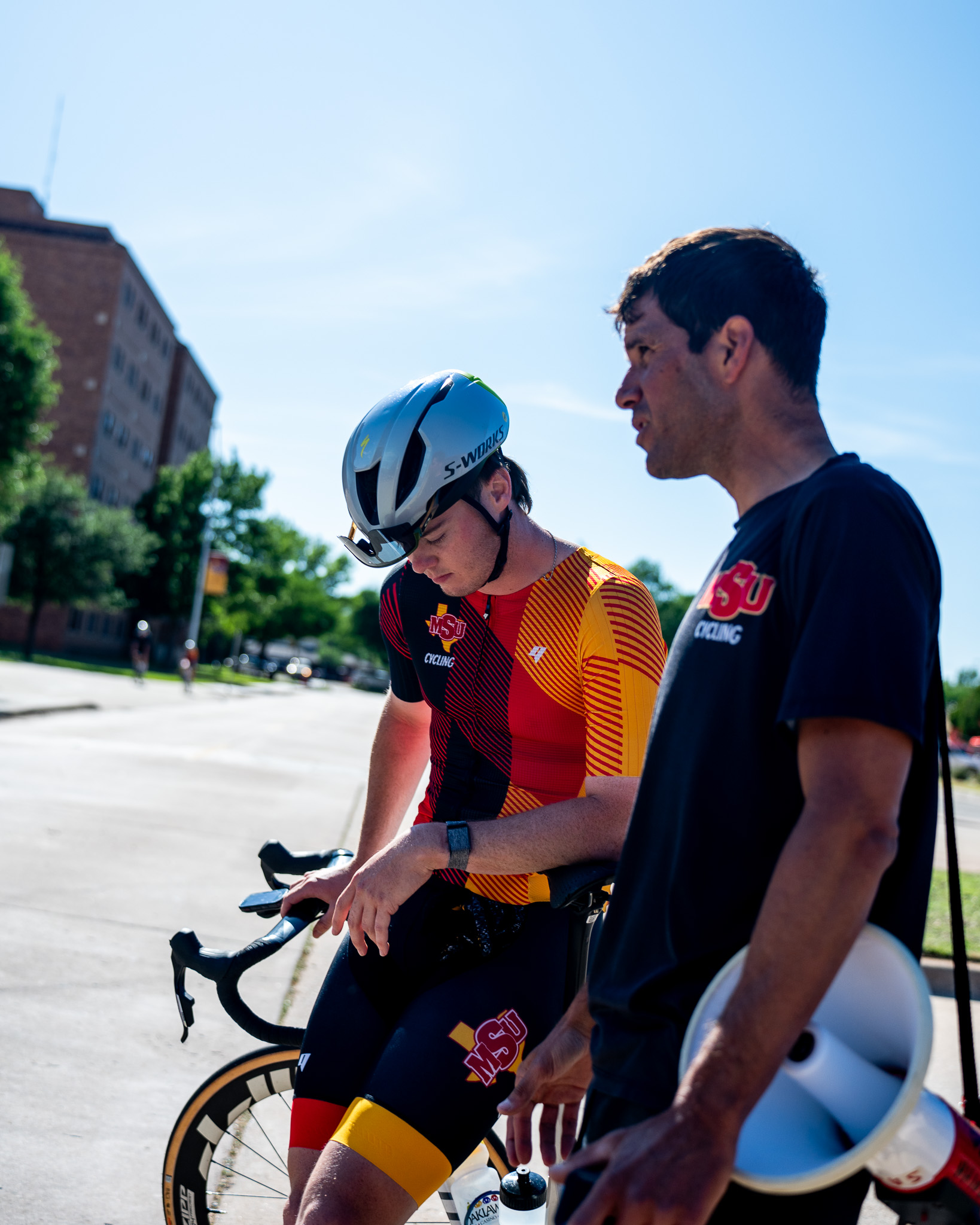
At Utmost Performance, we don’t believe coaching is about blindly forcing athletes through numbers. It’s about understanding the human being behind the power file. It’s about communication, adaptability, and finding the right solution for the day you’re actually having — not the one you wished you had.
Because the goal isn’t perfection.
The goal is sustainability, consistency, and long-term growth.
And sometimes growth looks like learning how to let go of pressure long enough to simply keep moving forward.