


The Director's Cut: What Hotter Than Hell Taught Me About Planning, Letting Go, and Racing
By Mario "Mayito" Arroyave
This is probably the only post like this you'll ever get from me. Because the race I have the privilege of directing — Hotter Than Hell — only happens once a year, the last weekend of August. So consider this a once-a-year tradition: The Director's Cut.
Here's the backstory. As Director of Cycling at Midwestern State University, I wear another hat I didn't fully appreciate until this year — Race Director for Hotter Than Hell. This was my first year running the event from that side of the tape.
And let me tell you: it is complicated. To say the very least.
From Consumer to Director
I've raced Hotter Than Hell somewhere between 10 and 15 times over the years. I know the town. I know the course. I know what it feels like to be what I'd call a consumer of the event — I register online, I show up, I get my number, I ride the course, I get my hand-ups, and when I'm done, I get in my car and go home. Someone else handled everything that made that possible.
This year, the shoe was on the other foot. And I have a much deeper sense of gratitude now for anyone who has ever put on a race for us to enjoy. There's a whole lot more to it than most of us realize — and I found that out fast.
A Course With No Repeats
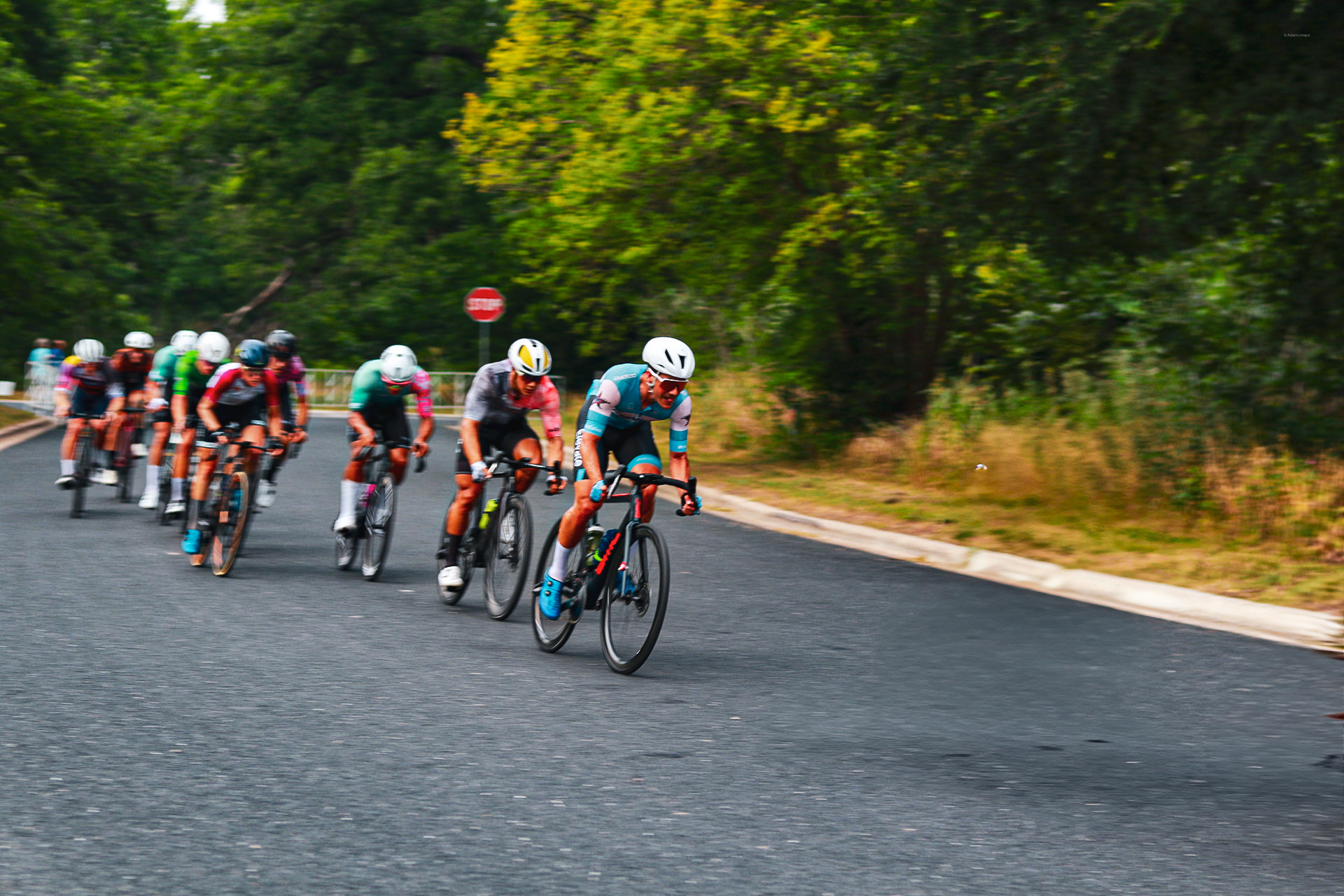
One of the bigger changes this year was bringing back the USA Cycling road races — a 104.5-mile loop. Not laps. Not a circuit. One continuous stretch of road, ridden once.
That single detail makes everything harder. Coordinating with law enforcement, confirming road conditions, managing logistics across that much unrepeated terrain — it's a completely different animal than running five or ten miles of circuit over and over. I had my work cut out for me.
Thankfully, the event lands in summer, when my athletes are home and I have a little more bandwidth to focus on the planning phase. Even so, I'll admit plainly: I did not respect how much logistics, planning, and organization this required. Not until I was in it.
Behind on Everything I Didn't Know I Was Behind On
I got a late start on things that should have been locked down much earlier. And that created real stress — the kind where you look up one day and realize there's a whole list of loose ends still untied, and the clock has kept moving whether you were ready or not.
Finalizing and publishing the race guide. Securing the finish line stage. Coordinating feed zone volunteers. Making sure those volunteers had t-shirts. Those are just three examples off the top of my head — there were plenty more.
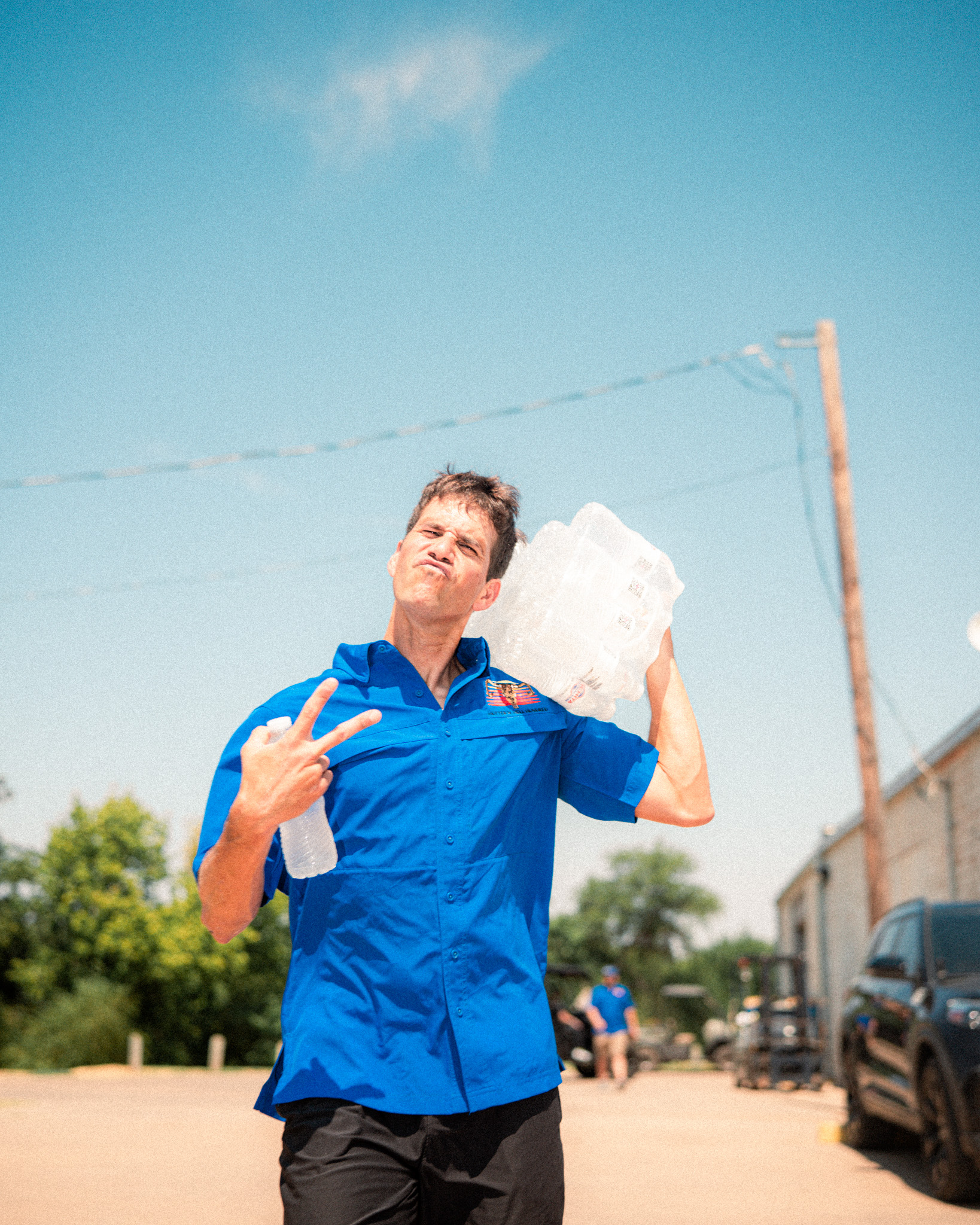
At more than one point, I know people watching me could see I was in the deep end, struggling, going under, looking like I might not come up for air. And they threw me a lifeline. Again and again. I want to be completely clear about something: there is no version of this event happening without the people who stepped in to help me. I cannot thank them enough.
The Wedding Day Comparison
If you've ever gotten married, you might understand this feeling: you don't remember much of your own wedding day. It's too big. Too much is happening. Too many people. You move through it almost on autopilot — and it's the guests who walk away with the clear memories. They danced, they ate, they had a great time celebrating you. You were too deep inside it to fully experience it the same way.
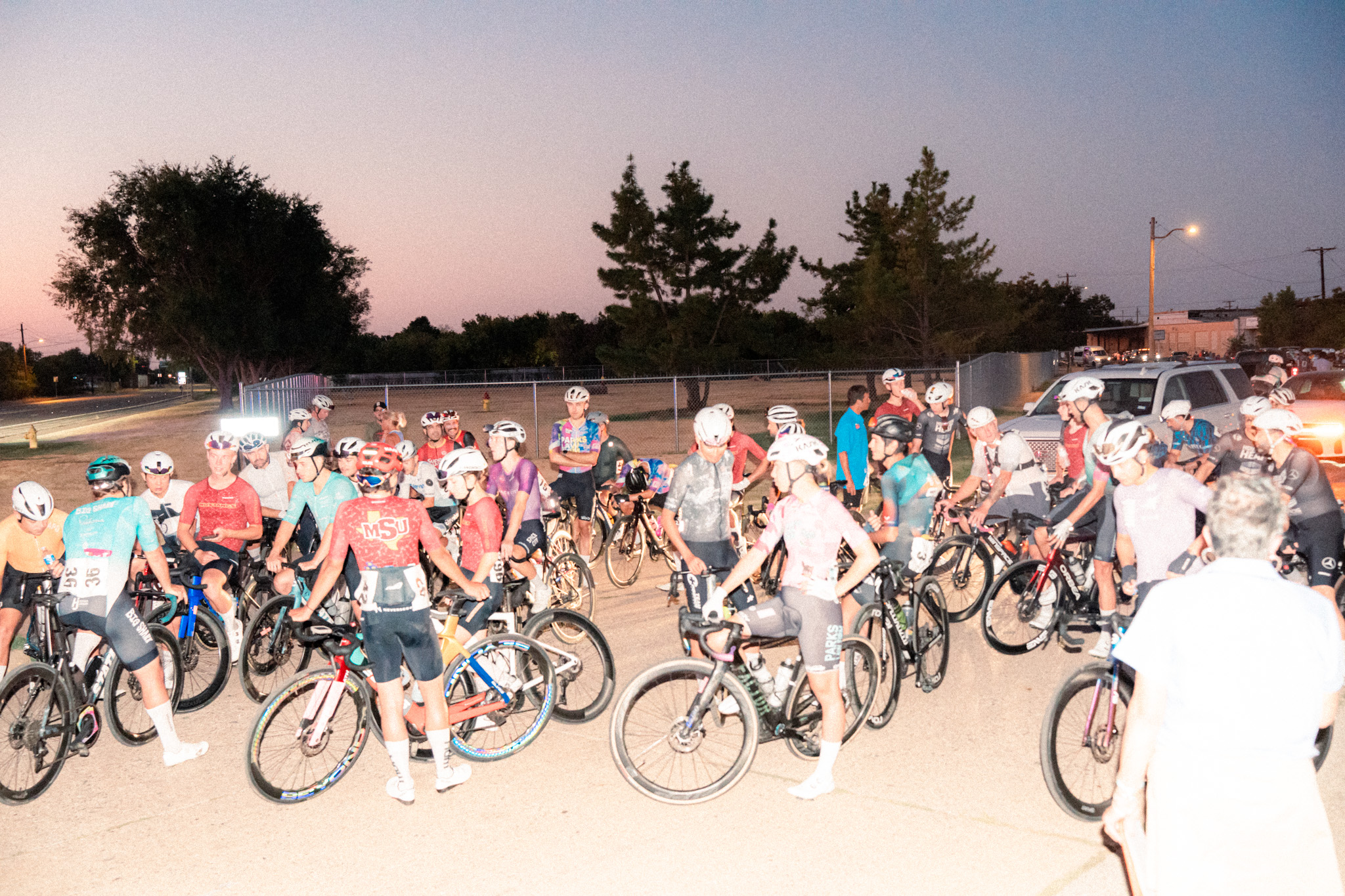
That's exactly how I'd describe Friday and Saturday of Hotter Than Hell. The crits on Friday, the road race on Saturday — I know I talked to people, handled problems, made decisions. But I genuinely don't remember a lot of the specifics. I was moving nonstop the entire weekend.
Planning for What You Can — and Living With What You Can't
Here's where I want to connect this back to racing, and to coaching, because that's ultimately what this brand is about.
When you prepare for a bike race, you look at the course. You look at where the wind is coming from. You study the start list, the distance, the start time. There are things you can genuinely plan for.
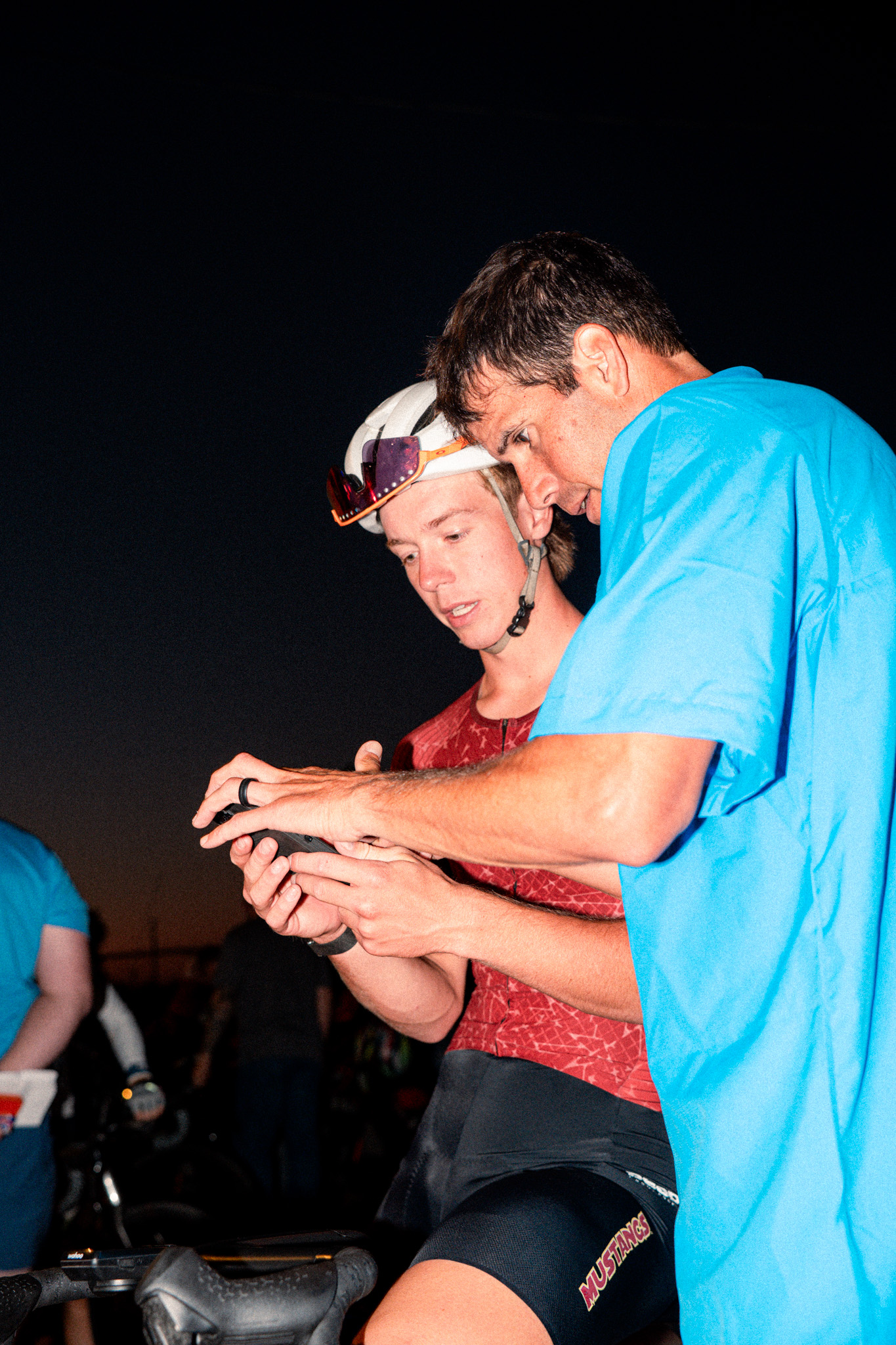
Directing Hotter Than Hell was the same. I knew I needed a finish line setup. I needed officials. I needed follow vehicles. Those were plannable. And even knowing that, I was still late on a lot of it — which is exactly why the people around me mattered so much.
But then there was everything else. All the things on Friday and Saturday that came completely out of left field. Things I couldn't have known, couldn't have planned for, couldn't have prepared for no matter how early I'd started.
That's racing. That's directing. You build a plan — wind direction, start list, pacing strategy — and then the race itself asks you to adjust and pivot, sometimes dozens of times in a single day. I lost count of how many times I had to pivot this past weekend. "Dozens upon dozens" is an understatement.
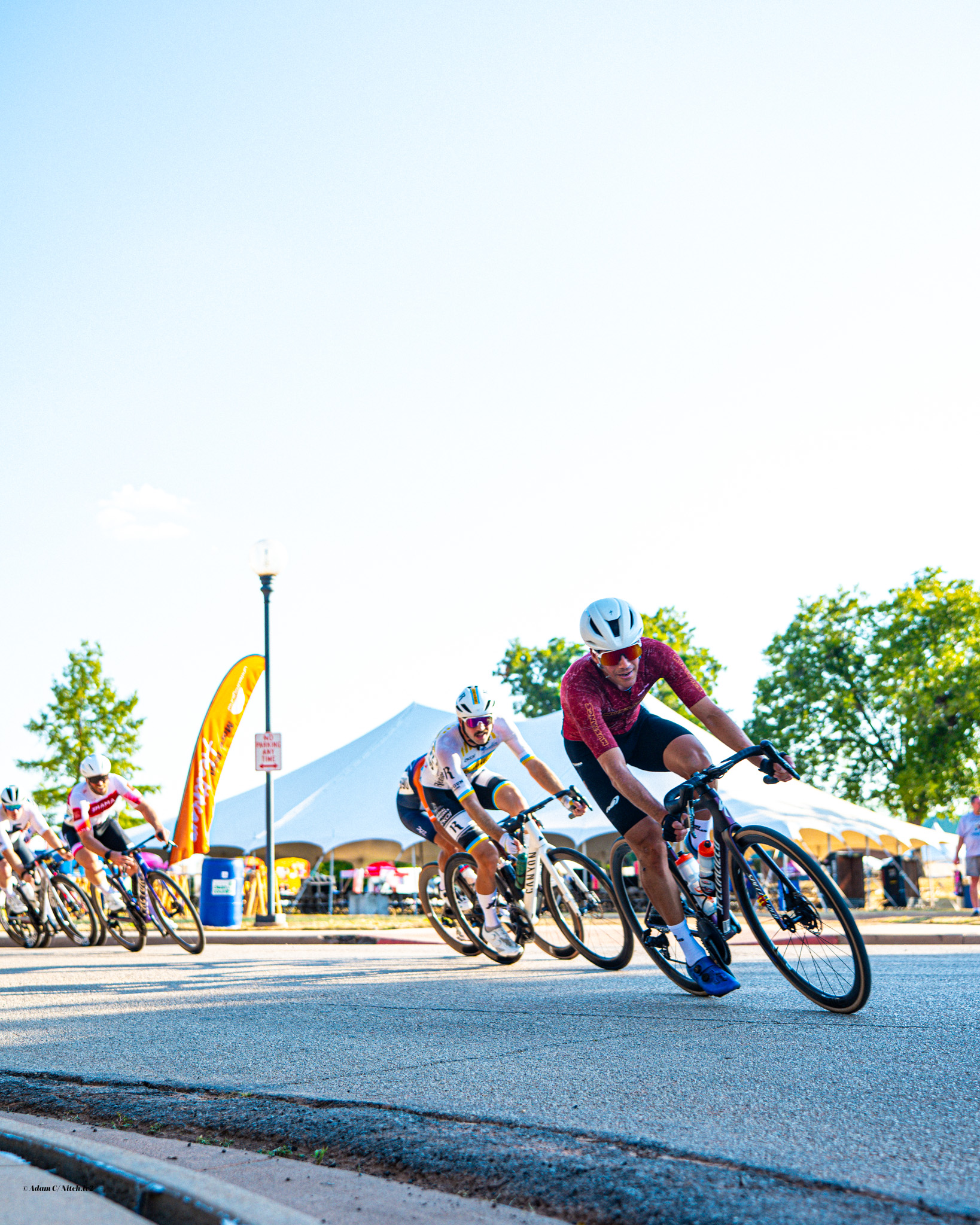
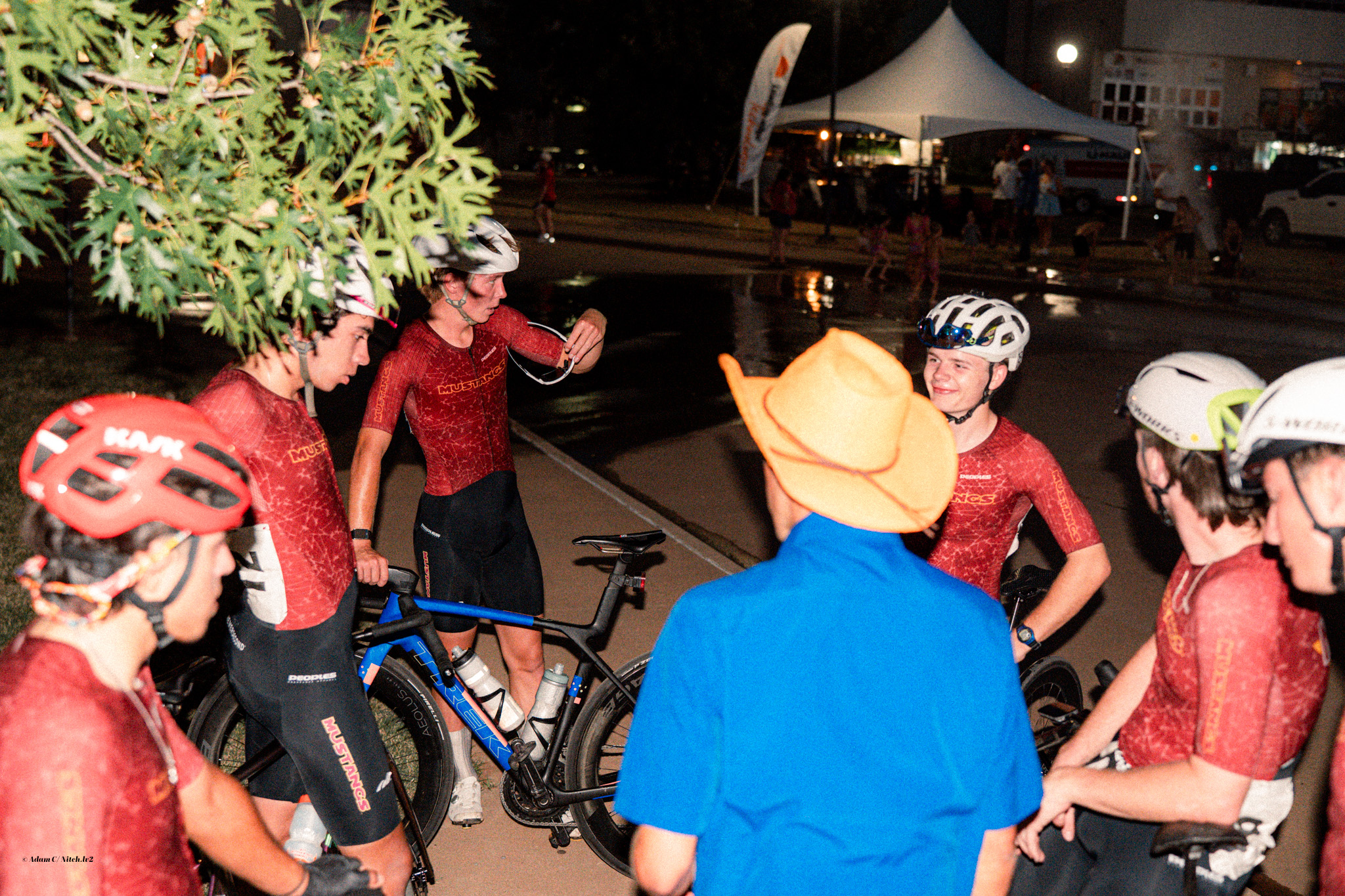
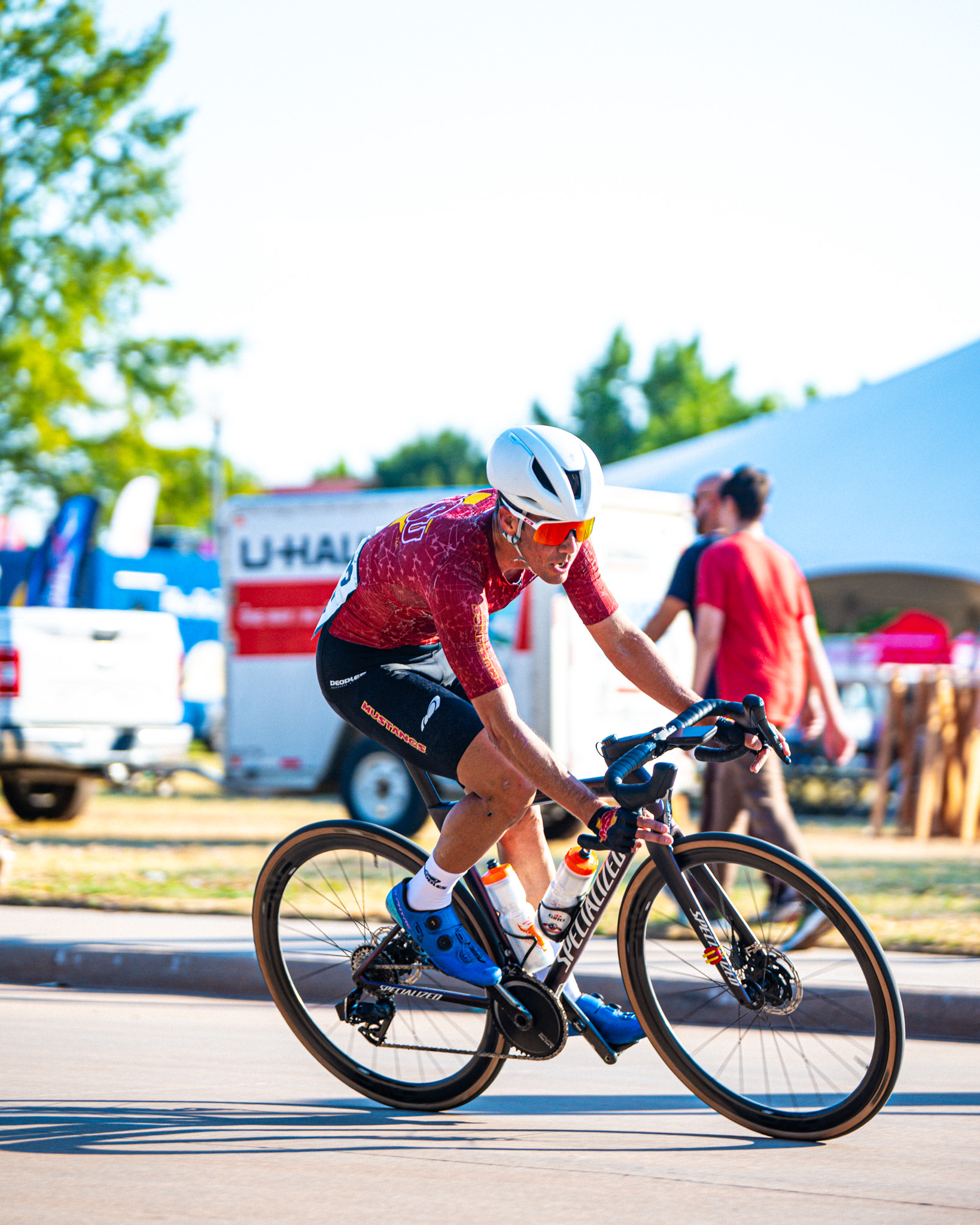
The Moments That Made It Worth It
Even with all of that, did I enjoy it? Yes. Genuinely.
One of my favorite memories from the whole weekend: we had a group of kids race in our under-9 category, one lap of the crit course, just for fun. Watching that little group of kiddos race gave me a real, uncomplicated sense of joy in the middle of an otherwise chaotic weekend.
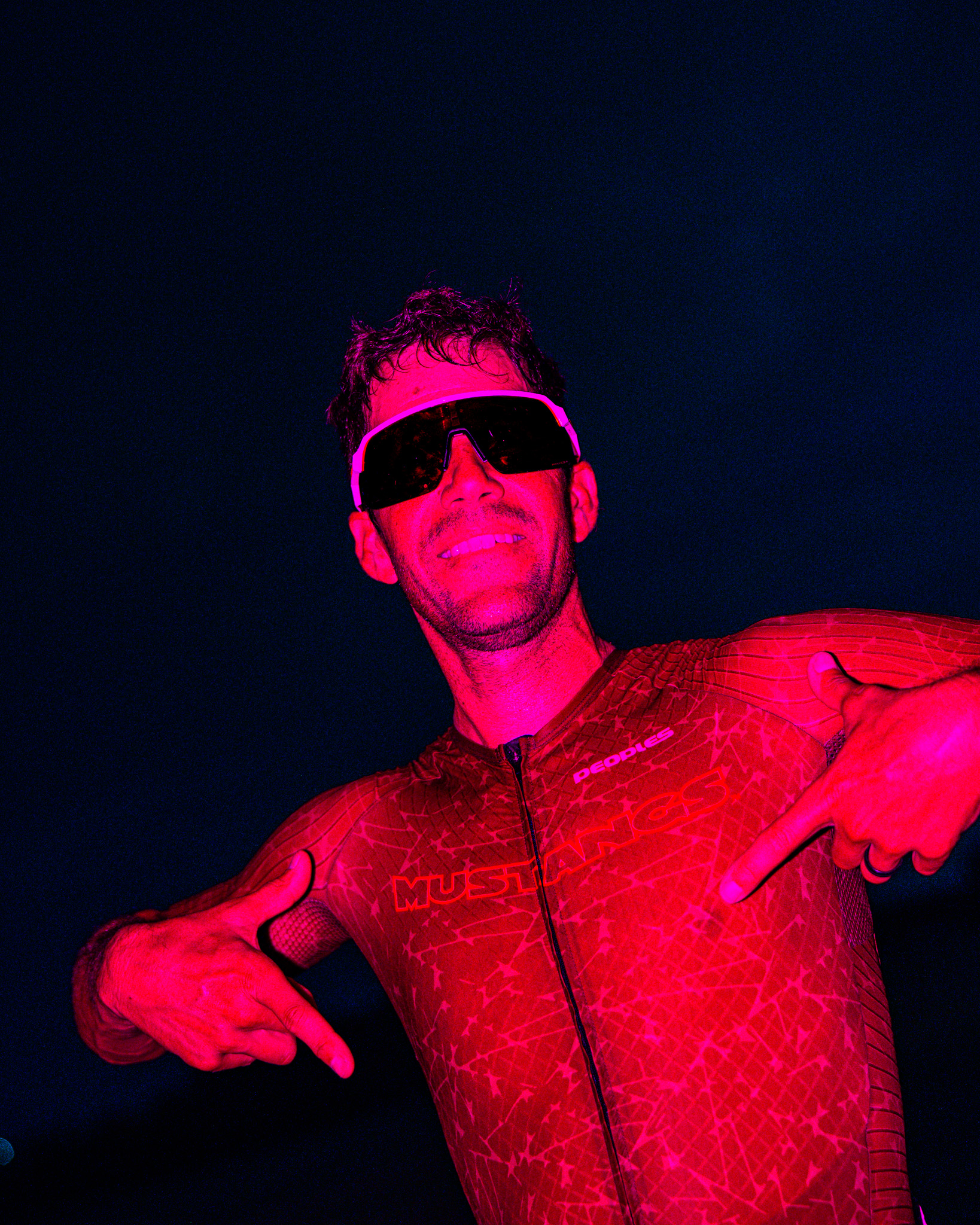
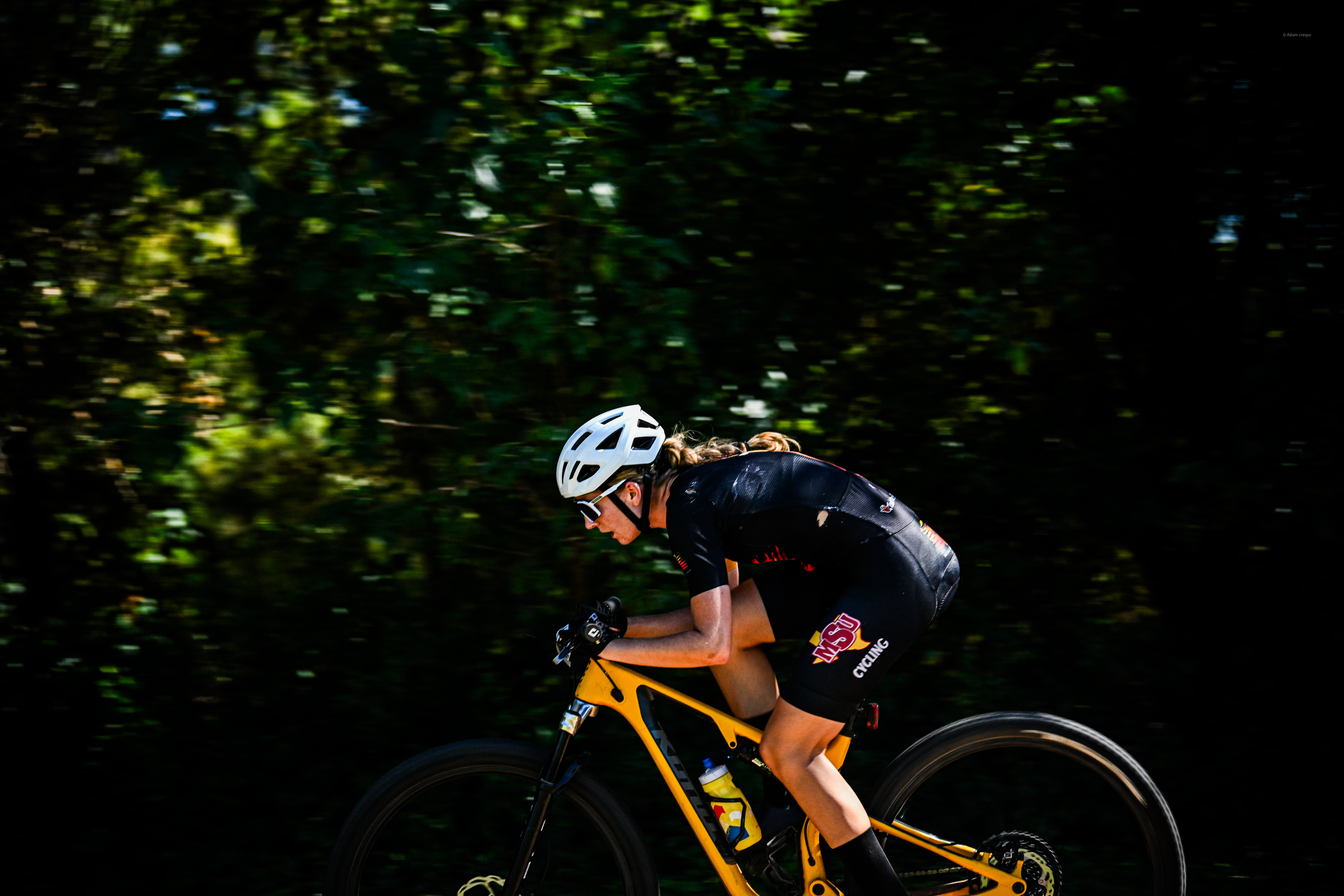
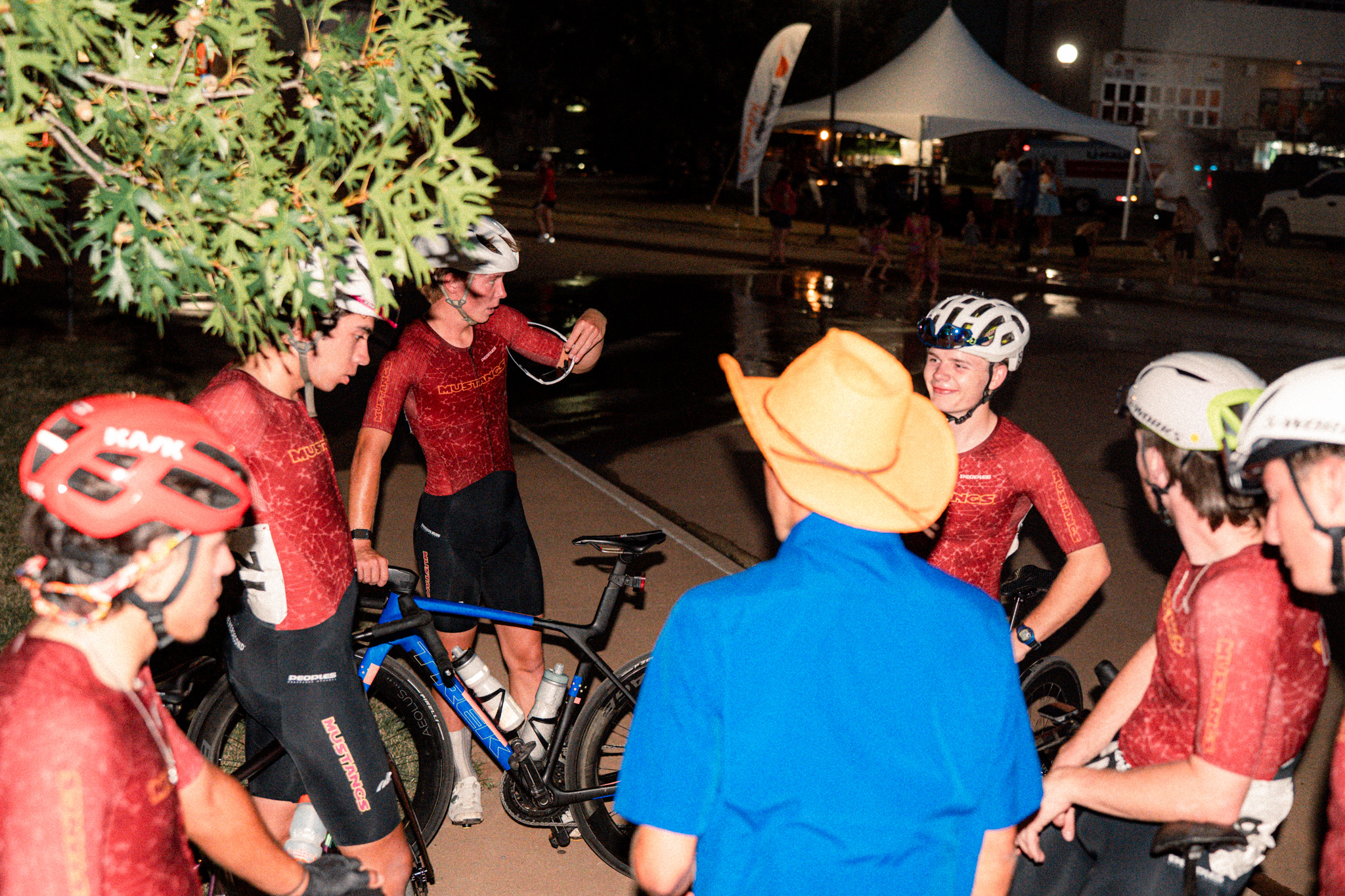
I also got to step back and watch my own university athletes compete across several categories. There's something different about watching your riders race when you're not the one pinning on a number — I got real satisfaction from that.
And honestly, I found some satisfaction just in the doing — being in motion, solving problems as they came up, working through obstacles in real time. I thought race directing would be something closer to a finished piece of art I'd unveil on August 28th and 29th. In reality, all those weeks of preparation were more like training — putting in the work so that, when race day arrived, I could actually perform.
And what did performing mean, for me, in this role? Putting out a good product. Something people were genuinely glad to have experienced. Something that made them want to come back next year.
Thank You to the People Who Made It Real
To every racer who showed up — thank you. This event does not exist without you. Thank you for being good stewards of the communities we raced through. I didn't hear about significant littering or issues that would jeopardize our welcome back next year, and that matters more than people realize when you're the one responsible for keeping those relationships intact.
There was a tense moment in the Masters race that could have gone sideways, and instead it was handled with real sportsmanship by the riders involved. Moments like that remind me why I love this sport and this community. Directors, officials, timing crews, volunteers, racers — collectively, we put together a fantastic weekend.
The Post-Mortem
Now that it's behind me, am I relieved? Absolutely. I'm glad it's over, and I'm already shifting into full team director mode as mountain bike season ramps up at the University.
But I also owe myself — and the event — an honest look back. What could have been done better? What blind spots did I have that I can see clearly now? What do I understand today that I didn't understand a month ago?
Here's the coaching lesson I keep coming back to, the one I tell my athletes all the time: experience is the best teacher.
We can study. We can talk things through. We can build head knowledge about training, racing, pacing, recovery. All of that matters. But nothing replaces actually going through it. Now that I've been through one cycle of race promotion — the good, the stressful, the joyful, the moments I nearly went under — I understand this role in a way no amount of preparation could have taught me beforehand.
That's true for directing a race. It's just as true for training for one, or for building consistency as an athlete over years instead of weeks. You don't arrive fully formed. You go through it, you take the lessons, and you come back better prepared next time.
Hotter Than Hell 2026 is done. And because of it, I'm already better equipped to make Hotter Than Hell 2027 even better.
Thank you all, genuinely, for reading.
— Mayito