

There’s more information available about cycling now than ever before.
If you look at social media, you’ll see countless opinions on training zones, interval routines, nutrition timing, aerodynamics, recovery, and performance data. Everyone is searching for the perfect formula, the perfect workout, or the perfect metric.
Science is important, but I think something often gets overlooked in today’s coaching discussions:
Coaching isn’t just about science.
It’s also an art.
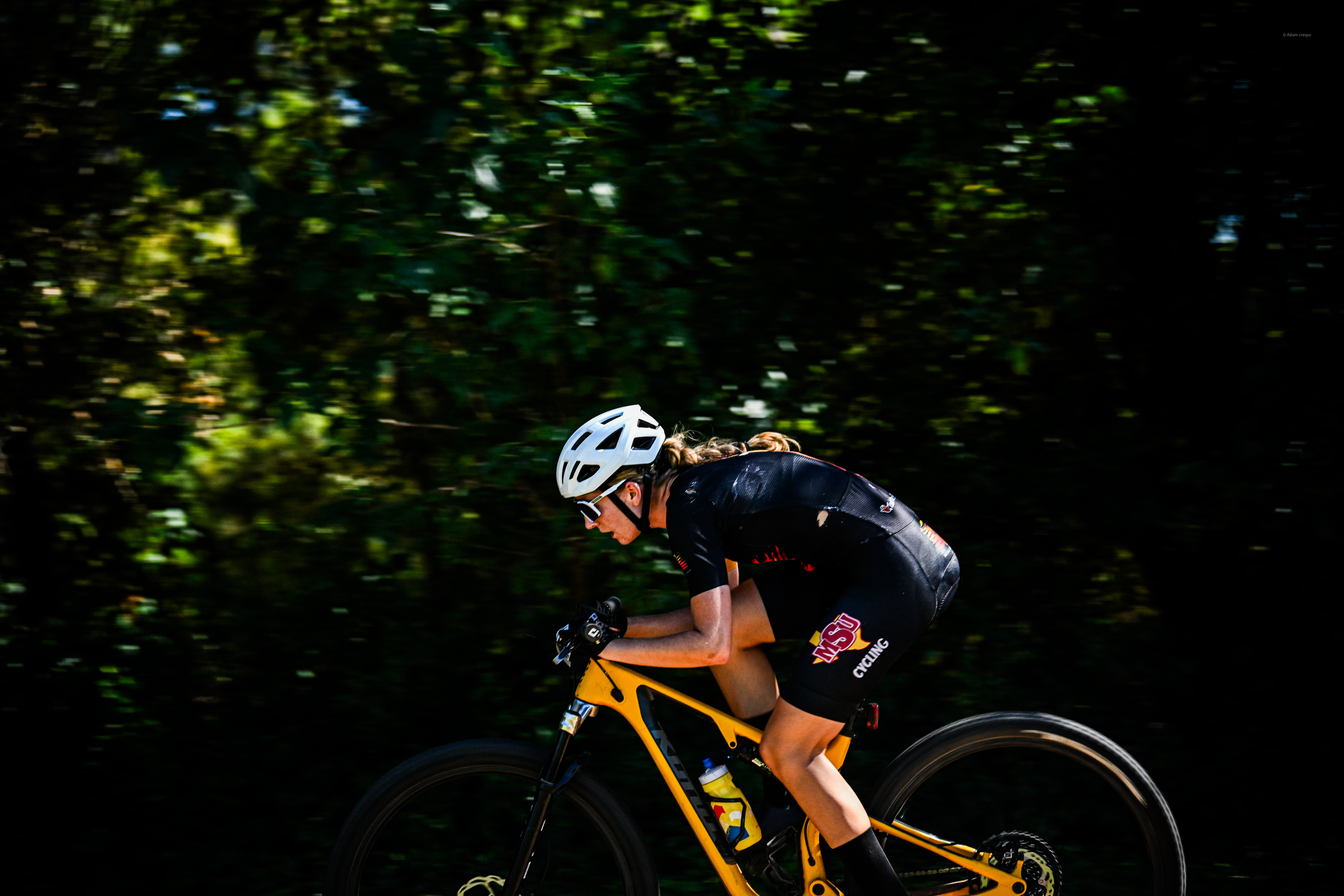
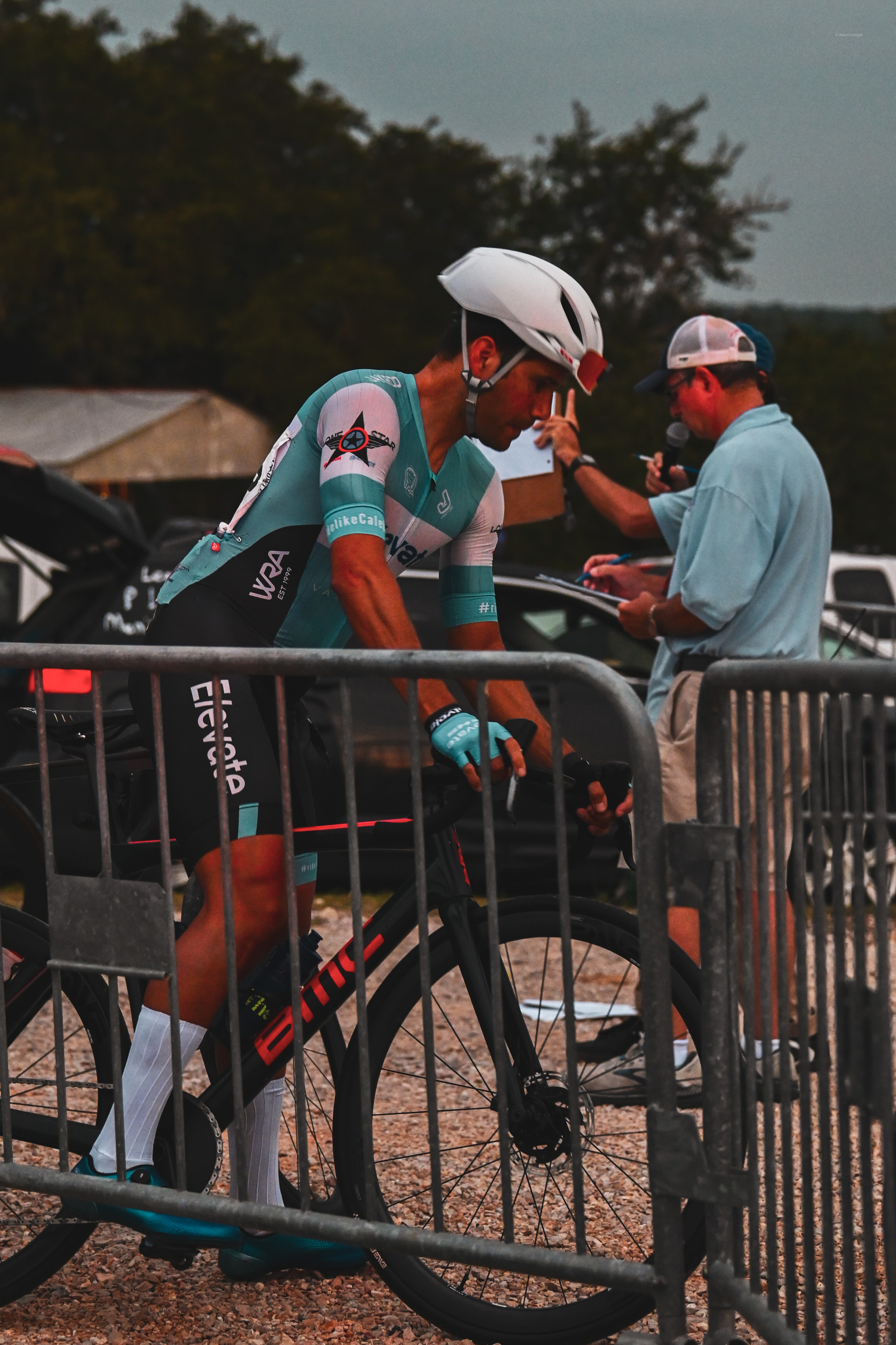
Over time, I’ve seen that athletes usually fall into two groups: doers and non-doers.
Non-doers are always searching. They take in information nonstop, moving from one philosophy or training system to the next, from YouTube videos to podcasts. They want to feel certain before they act.
Doers take a different approach.
They focus on taking action.
That doesn’t mean they’re perfect or always have the best plan or numbers. But they keep moving forward. They stick with the process and know that real improvement comes from steady action, not from overanalyzing every detail.
A common mistake athletes make is thinking that having more information will automatically lead to better performance.
But that’s not true.
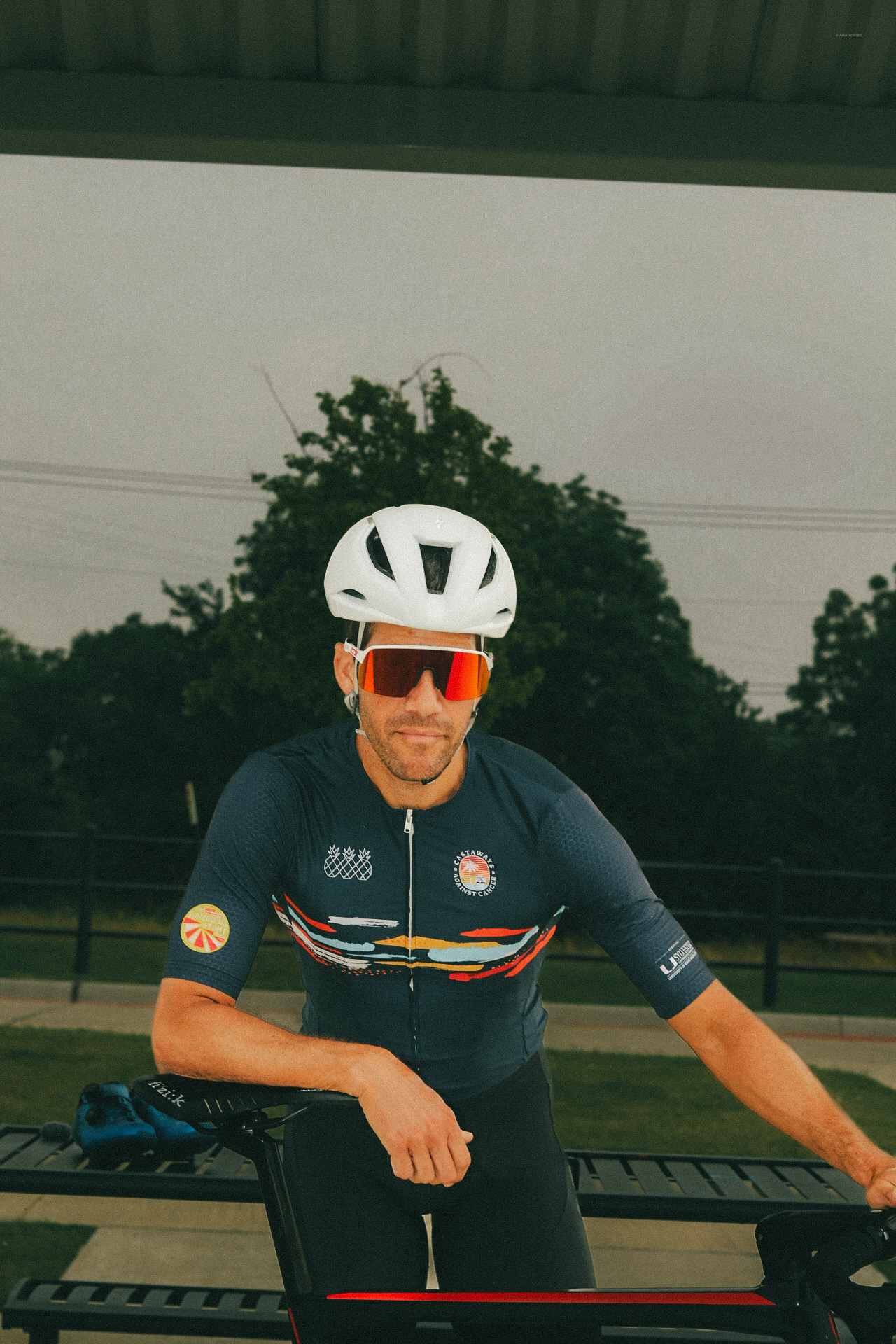

It’s taking action that leads to better performance.
At some point, collecting more information turns into a way to avoid action. Athletes might tell themselves they’re improving by reading articles or listening to podcasts, but really, they’re putting off the hard part: actually doing the work.
The athletes who make the most progress aren’t the ones who worry about every little detail. They’re the ones who show up week after week and build good habits over months and years.
This is where coaching turns into an art.
Every athlete is different.
Science gives us frameworks and guides our training principles. It shows us trends and probabilities. But coaching means applying those ideas to real people, each with their own emotions, stress, strengths, weaknesses, fears, motivations, life responsibilities, and unique ways of responding to training.
Two athletes might do the same workout but end up with very different results.
One athlete may need confidence.Another may need restraint.One may need motivation.Another may need simplicity.One may thrive under pressure.Another may shut down from too much pressure.
A spreadsheet can’t capture all of that on its own.
The art of coaching is about understanding athletes beyond just the numbers.
It means knowing when an athlete needs to be pushed and when they need rest. It’s about spotting patterns that data might miss and communicating in a way that helps athletes trust the process and stick with it for the long haul.
Many athletes look for the “perfect” system, but what they really need is consistency.
The truth is, nearly every successful athlete has spent years doing the basics really well:
- Consistent training
- Proper recovery
- Repeated execution
- Patience
- Learning from mistakes
- Showing up even when motivation is low
It might not be flashy, but it gets results.
Non-doers often wait for the perfect conditions before they commit. They wait for life to slow down, for motivation to return, for better equipment, for the right coach, or for training to feel easier.
Doers get started right away.
They know that progress isn’t always smooth. Some workouts feel great, some don’t. Some races go well, others don’t. But they keep going.
That mindset is more important than most people think.
As coaches, our job isn’t just to assign workouts. We help athletes get better over time. Sometimes that means making things simpler instead of more complicated. Sometimes it’s about helping athletes trust themselves again or keeping them from overthinking.
Performance doesn’t come from rare moments of perfection.
It’s built by being consistent over time.
Science gives us the tools, and art gives those tools meaning.
The best coaching finds a balance between the two.
The athletes who improve the most are usually the ones who stop searching and start taking action, day after day.
In the end, it’s the doers who make progress.