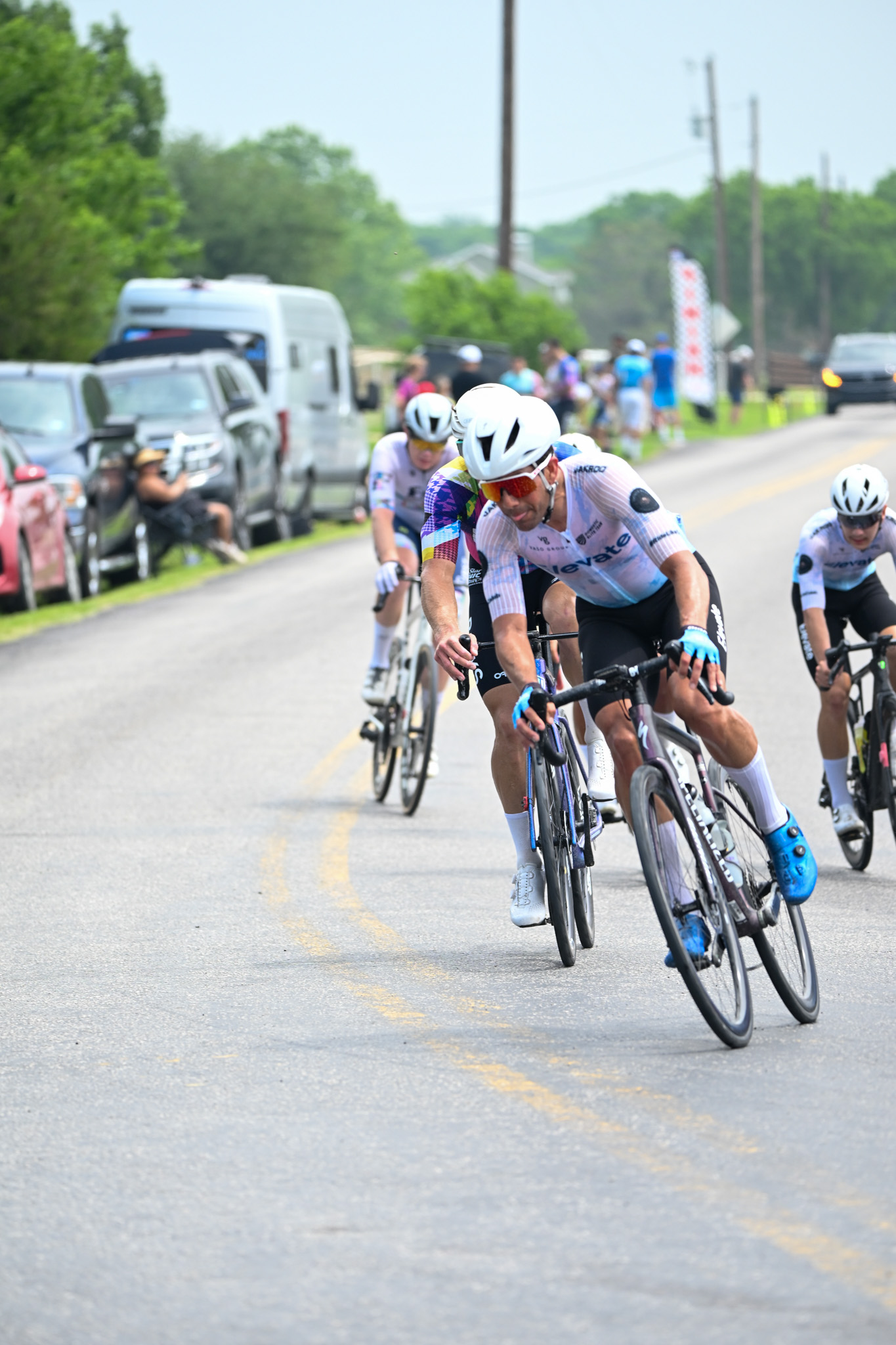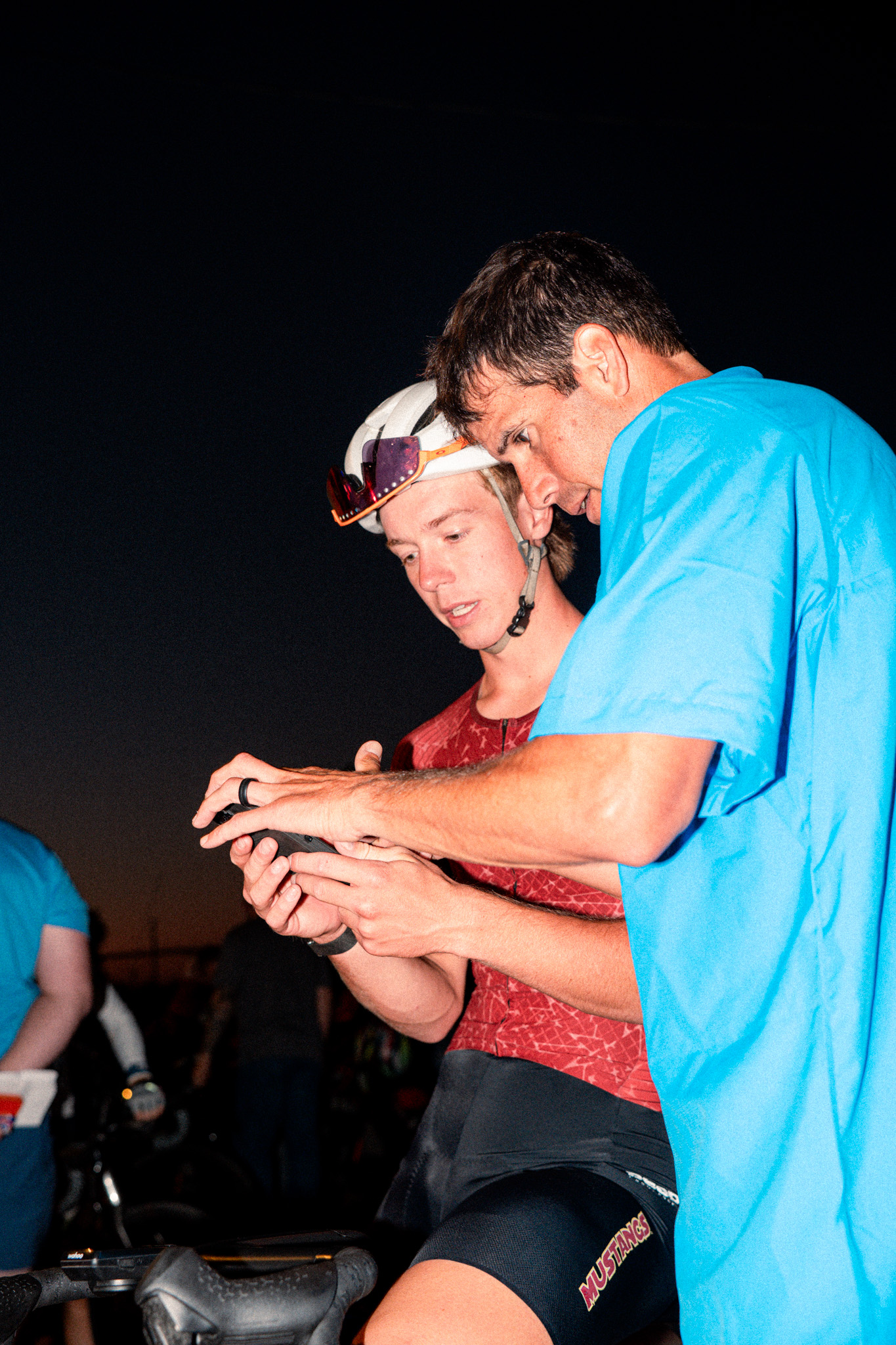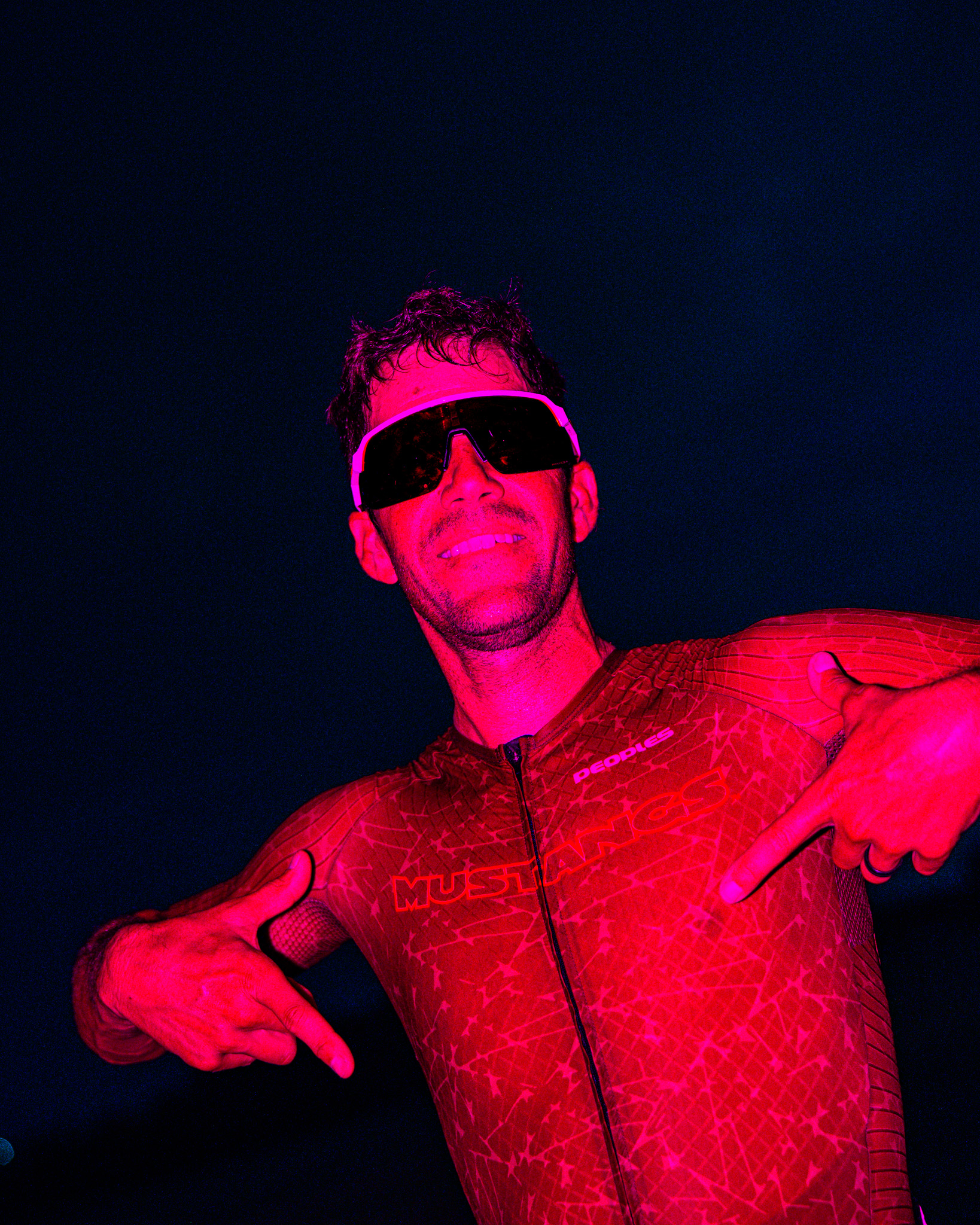

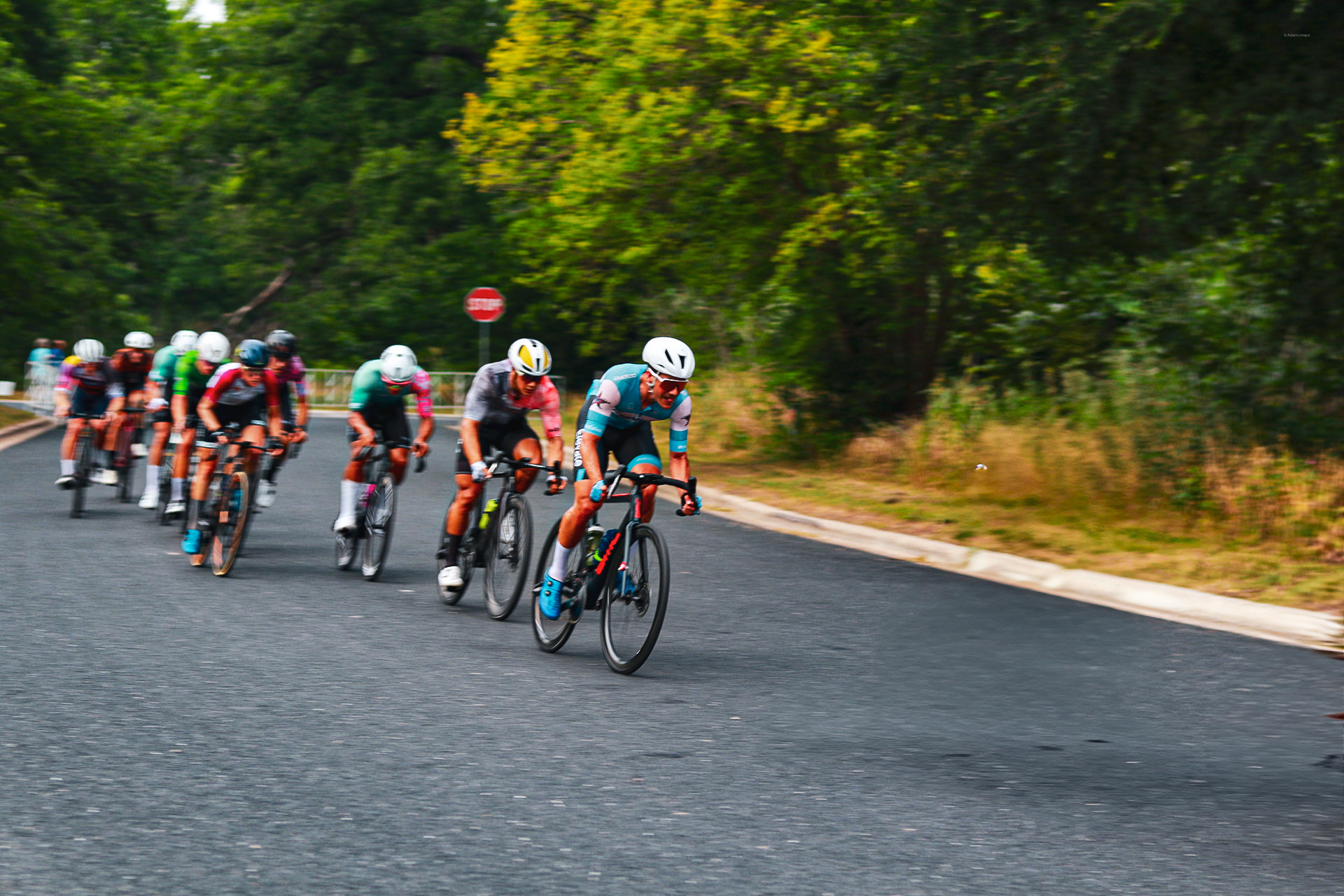


The Jesuit Ranger Roundup was easily one of the most interesting and challenging races this season. Before diving into the details of this year’s race, it’s important to remember what makes this event special every year, setting the stage for the tactical nuances that unfolded.
This race is always one of the toughest on the calendar. It’s a shame it doesn’t draw bigger crowds, since it has everything you’d expect from a classic event. It deserves to be mentioned alongside races like Lago or Pace Bend, though it’s challenging for different reasons. Understanding these differences is key to appreciating its unique character.
What Makes Jesuit So Difficult
Unlike the Hill Country races near Austin, Jesuit isn’t tough because of big climbs. Instead, its challenge lies elsewhere, as the race progresses.
Instead, the course is mostly flat and completely exposed. This course characteristic shapes the entire dynamic of the competition.
That exposure is what really defines this race, turning wind into a critical element that influences every move.
Wind becomes the defining factor. The course uses medium-sized circuits—we did seven laps—which gives it a European vibe. Each loop feels different depending on wind direction and conditions: sometimes the group gets strung out, sometimes it eases, but the wind always shapes the race.
There’s never a real break from the effort—just constant, shifting stress.
We started with a short neutral section that brought us onto the circuits, and right away, the course's positioning made things critical.
We entered on a tailwind section, which meant speed was already high, and then immediately transitioned into a right-hand turn into a crosswind.
That section, where the tailwind turned into a crosswind, was easily the most important part of the whole course.
And we were hitting it immediately after the flag dropped.
As soon as the race began, it was fast and aggressive, demanding full focus—no headwind to slow us or a gentle start.
Sure enough, as soon as we got onto the circuit and before we even made that right-hand turn, one of the riders we had identified as a key contender launched an attack.
And we were ready for it.

The Early Break Forms
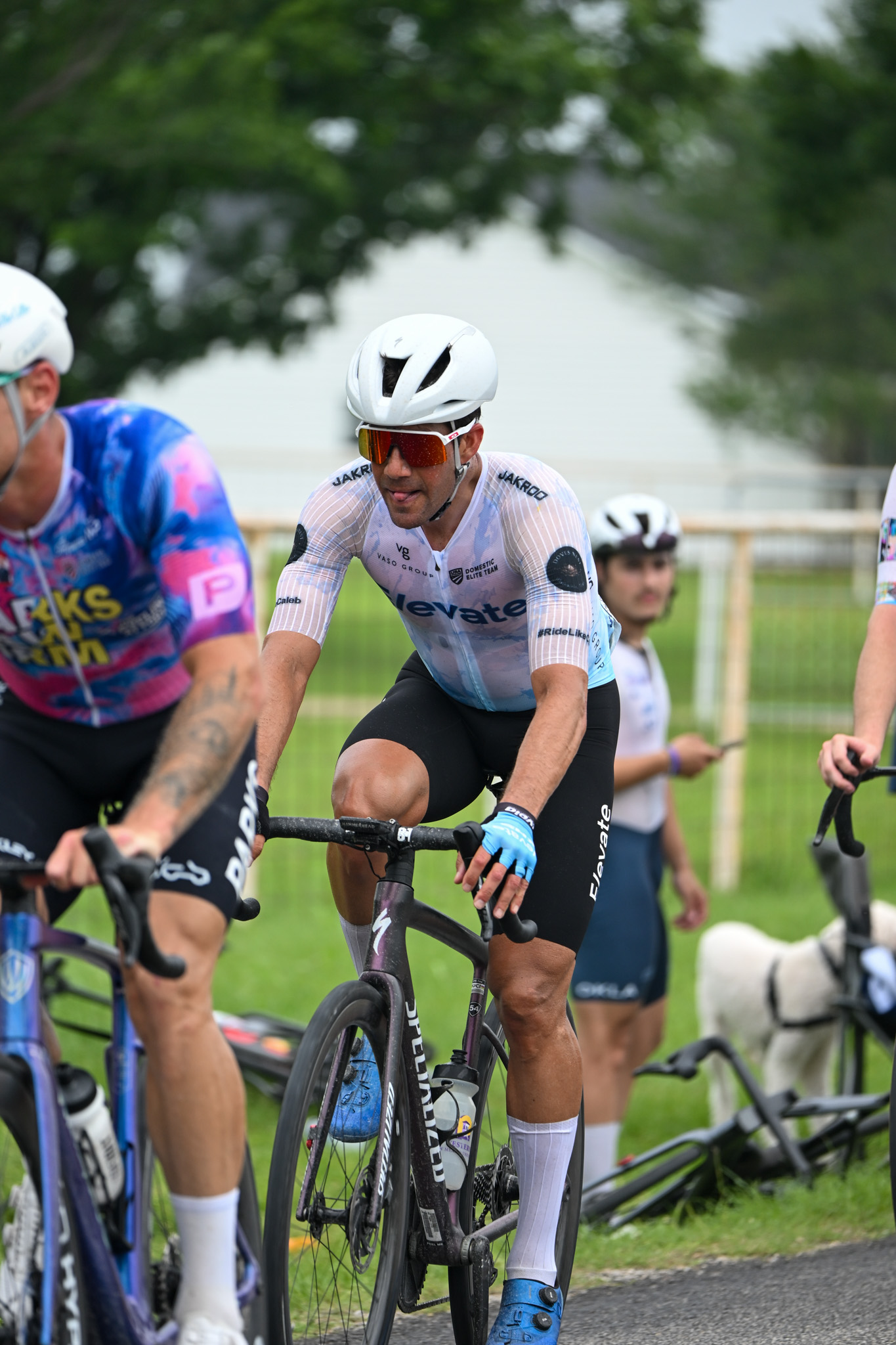
Mark reacted right away and followed the move. That gave us exactly what we wanted: someone in the break with one of the riders we knew could be a threat.
The move included Pablo Cruz from Cadence, who was one of the primary riders we were watching, along with Eric Snyder for us. Parks Law Firm also had a rider in the move, along with a few others.
It wasn’t ideal for every team, but strong enough that we expected the group to get some room.
We were happy to take the break on our side.
Back in the Field: Understanding the Race Within the Race
While the break was establishing itself up the road, there was a completely different race happening behind.
We still had key riders in the field, like Dempsey Fuentes from Parks Law Firm and Grant Wilkie from the Oklahoma Flyers. We knew both would try to bridge to the break.
So the situation was clear tactically: We didn’t need to chase or panic.Our plan was simple: when those riders tried to bridge, we would go with them. That move would probably decide the race, and whoever made it across would be in the fight for the win.
But that required patience.
This is where the race gets tough in a different way, both mentally and tactically. The pace doesn’t really slow down, but you have to fight the urge to make a move you don’t need to. You have to read the situation and play it smart.
Up the road, the break is working efficiently, trying to build time.
Behind, we’re waiting for the right moment. The field is tense, with everyone anticipating the critical move that could reshape the race.
When Nothing Happens
What made this race particularly interesting is that, for a long time, nothing decisive happened behind.
The break kept gaining time as we waited.
There were a few small attacks from riders trying to get across, but none had the right mix or strength to succeed. No one managed to bridge, and there wasn’t a real chase.
At a certain point, this becomes a problem. The shifting mindset in the main field introduces a new dynamic as the race enters a decisive phase.
Once the gap gets too big, the mindset changes. Riders stop believing they can bridge and start thinking about limiting their losses, or if it’s even possible at all.
The Shift: Pressure Builds in the Field
Eventually, that pressure started to show.
Dempsey and Grant moved to the front and began working. The pace increased significantly, and it was clear they were starting to feel the urgency of the situation.
That’s when I saw an opportunity, sensing the field was becoming vulnerable and ready for a change in dynamic.
After they had put in some hard pulls and began to ease slightly, I attacked.
Disrupting the Race
The goal wasn’t to bridge to the break. That wasn’t realistic at that point.
The goal was to disrupt the field's rhythm and force those key riders to keep working.
If they wanted control of the race, they weren’t going to get a break.
I got a small gap and brought a couple of riders with me, including one from Parks Law Firm. Up the road, there was already a small group between us and the break, and we worked to connect with them.
Eventually, we formed what became a second group on the road, marking a pivotal shift in the race’s structure and reinforcing our tactical flexibility.
Now the race had split into three distinct parts:
- The lead break with Eric and Pablo
- Our group in the middle
- The main field behind
We also had multiple teammates in this middle group, which gave us options.
Our group didn’t work together perfectly, but that was okay. We weren’t really trying to catch the break; our goal was to keep up the pressure and influence how the race played out behind us, keeping our broader strategy intact.
Anticipating the Next Move
At that point, I knew what was coming.
When the field caught us, it wasn’t going to be gradual. It was going to be aggressive.
I told Josh Gomez to be ready. When Dempsey came through, it would be fast, and he’d try to go straight through our group to bridge to the break in one shot.
And that’s exactly what happened.
The Pivotal Moment
When the field arrived, it came hard.
Dempsey drove the pace, trying to carry momentum straight through. But we were ready for it. We matched the acceleration, stayed on his wheel, and prevented that move from splitting things apart.
That moment was decisive.
Once that move was shut down, the chance to bridge to the break was basically gone.
From there, it became clear that the breakaway would decide the race.
The Final Phase: Attrition
The remainder of the race turned into a war of attrition.
The heat, wind, and repeated laps wore everyone down. Riders faded, groups shrank, and the race stretched out. It became about who could hang on the longest.
We stayed disciplined, controlled the riders we needed to control, and let other teams take responsibility for the chase.
Key Moments and Results
Unfortunately, Josh crashed and was unable to finish, which was a tough moment for the team. He had been doing a great job supporting the effort up to that point.
Later in the race, Reggie Genitus made a strong solo move. He rode off the front and held it for over two laps, eventually finishing 4th—a very impressive ride given the conditions.
Up front, Eric remained in the break and executed well. He sprinted against Pablo Cruz but came up just short, finishing 2nd.
Pablo rode a strong race and deserved the win.
Final Thoughts
From a team perspective, this race played out much as we envisioned.
We identified the key riders:
- Pablo Cruz
- Dempsey Fuentes
- Grant Wilkie
- Felix Fontes
And out of that group, only one made it into the final break—alongside our rider, Eric.
That’s exactly what we wanted.
Personally, I didn’t feel my best physically as I started to get sick, but I was still able to do my job. I supported the team, disrupted key moments, and helped control the race when it counted.
At the end of the day, this race wasn’t just about strength.
It was about patience, awareness, and execution.
And in that sense, it was a successful day for us.