Sometimes, our greatest lessons as athletes don't come from the days we stand on the podium. They come from the days we end up completely empty, sitting on the concrete.
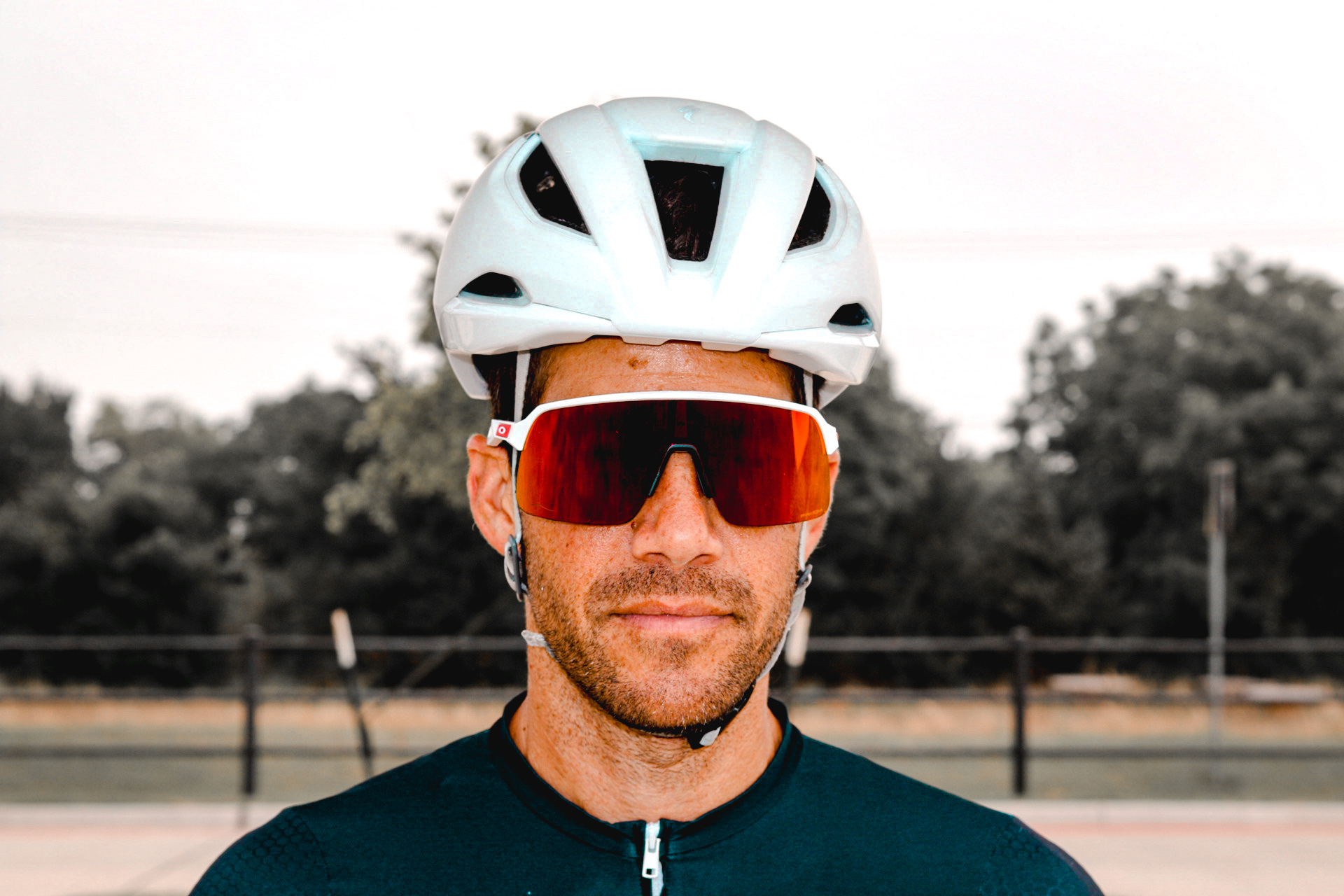
The other day, I was scrolling through my Amazon photos when the app served up a memory from a couple of years ago. It was a picture taken in June, on a day that was already beginning to get incredibly hot. Looking at that photo took me right back to a warm summer day and an ambitious challenge I had attempted to take on.
My eyes were almost bloodshot. I had this empty, ghost-like look on my face. I was completely done.
But to understand the look on my face, we have to talk about the mental battle that put me there.
The setup was simple. My family and I were planning a trip down to the San Antonio area to visit my in-laws. We planned to leave relatively early in the morning, but I had a different idea. I figured if I got up super early and jumped on my bike, I could get pretty far down the road before they caught up with me.
My plan was to knock out about 100 to 120 miles. My family would eventually link up with me on the road, pick me up, and I would ride in the car the rest of the way to San Antonio.
It all sounded great. I took off that morning and, honestly, it was going really well. I was practicing exactly what I preach to all of you: start conservatively. I knew the heat was coming and that cardiac drift was inevitable, so I kept the effort really easy and felt great.
But the mental side of endurance sports is tricky. It lulls you into a false sense of security right before the environment turns on you.
Slowly but surely, the sun climbed higher and the temperature began to spike. Even though I was drinking, I started slipping into a dehydration deficit. By the time I reached Waco, I still felt relatively okay, but that is exactly when the mental doubts started creeping in.
I wanted to make it all the way to Temple, or perhaps even further south. But as I rolled through Waco, a harsh realization hit me: This might not actually happen.
If you have ever been on a ride like this, you know the exact mental shift I am talking about.
But my ego and my ambition fought back. I just wanted to get as far as possible, so I ignored the warning signs and kept pedaling.
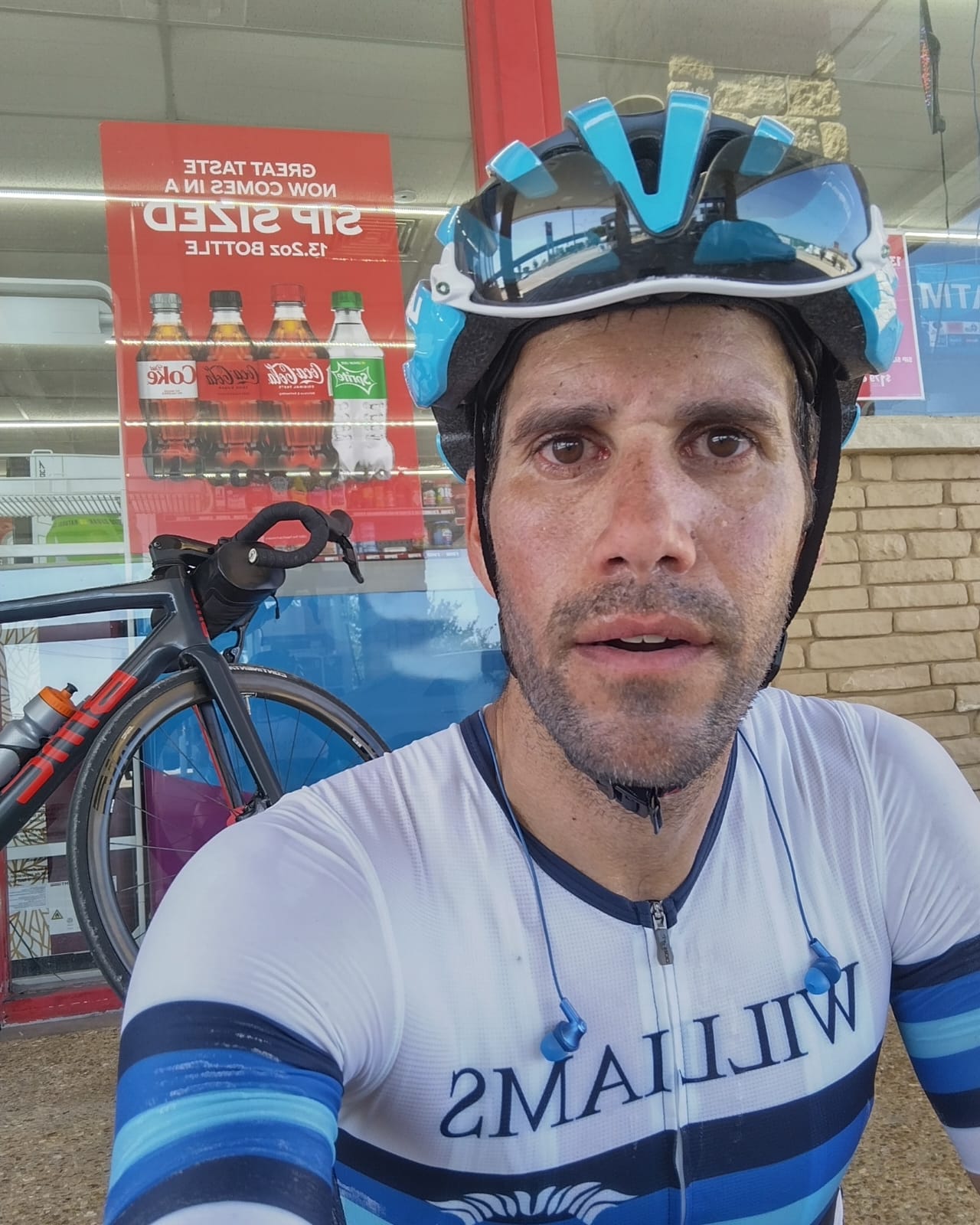

Eventually, I reached a physiological line in the sand. It was no longer a mental debate of if I needed to stop; my body was telling me you are going to stop.
I spotted a Valero gas station on the corner somewhere between Waco and Temple. I was only about ten miles outside of Temple, but I pulled over anyway. That was it. I knew the second I stopped that my day was officially done and I was not getting back on the bike.
The physical reality: It didn't matter how many Cokes I drank, how much sugar I consumed, or how long I rested. Cramps were coming on, and the engine was totally blown.
My wife and kids arrived to pick me up, asking, "What happened, Dad?". Looking back, it was a slightly foolish endeavor, and I definitely paid the price for it.
On paper, this ride looks like a complete failure. I wanted to get to Temple, and I didn't make it. But as a coach, and as an athlete reflecting on this memory years later, I realize that simply reaching the geographic finish line isn't always the point.
The point is that we occasionally need to step up and try something hard. We need to take on a challenge, regardless of whether we achieve it perfectly. Looking at that photo, I remember the pain, the discomfort, the doubt, and the fear I felt that day. But I also remember that I actually attempted it, and I put myself out there.
Finding the Balance:
While I encourage you to find your own challenges, you must be careful. These massive efforts are incredibly hard. They will completely deplete you, knock you down physically, and take a heavy mental and emotional toll.
You must plan these efforts accordingly and ensure you take plenty of time in between them. If you stack these deeply exhausting challenges too closely together, you risk doing real damage, creating mental scarring, and ultimately ruining your daily consistency.
Remember, consistency is key. But every once in a while, don't be afraid to find a challenge that stretches you, tests you, and leaves you with a story to tell.